


Setting up large commercial party tents requires precision, strength, and the right operational strategy. If you manage an event rental business, venue, or commercial shelter operation, you know that raising heavy tent tops and frames manually is one of the most physically demanding parts of the job. It places high physical demands on your crew, increases bodily fatigue, and poses injury risks during heavy overhead lifting.
That is precisely why industry professionals rely on a tent jack.
Whether you are erecting massive commercial party tents for corporate galas or assembling standard structure setups for weekend weddings, understanding how to use specialized installation equipment makes a huge difference to your operational efficiency. Using the proper gear saves labor hours, protects your crew from fatigue, and prevents costly wear and tear on your rental inventory.
In this complete guide, we will break down what a tent jack is, how it functions, the operational benefits of adding one to your setup toolkit, and how to safely assist your crew during commercial frame tent installations.
What Is a Tent Jack?
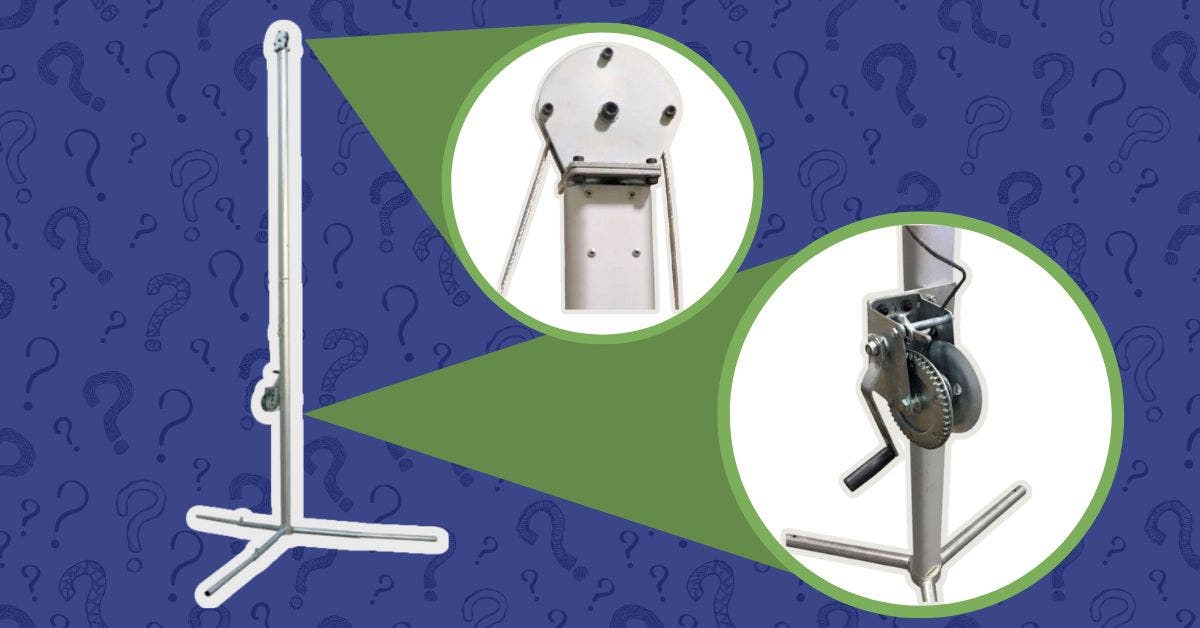
A tent jack is a specialized mechanical lifting device designed specifically for the commercial event rental industry. Its primary function is to elevate heavy tent frame assemblies off the ground so crew members can easily attach side poles, legs, and structural fittings without manual overhead strain.
When constructing large temporary structures—such as West Coast frame tents or high peak frame tents—the roof frame, crown, fittings, and vinyl top are completely assembled at ground level. Once assembled, the structure must be elevated to allow the perimeter leg tubing to be inserted into the corner and side fittings.
Without specialized tools, raising a wide, fully sheeted frame requires a large crew working in unison to lift one entire side of the structure overhead while another worker rushes to slide the legs into place. A tent jack streamlines that labor-intensive process. Using a mechanical winch, pulley, or hand-crank system anchored securely to a sturdy vertical mast, the jack hooks directly under the frame tubing or fitting, lifting the side of the tent smoothly.
Important Note: While a tent jack significantly reduces physical exertion during installation, it is designed to assist your team—not replace sound crew judgment, proper crew sizing, or standard setup safety protocols.
How Does a Tent Jack Work?
While design specifics vary by manufacturer, commercial tent jacks operate on basic mechanical advantage principles. They translate manageable hand-crank motion into substantial lifting force capable of raising structural aluminum and heavy-duty vinyl.
Here is a simple breakdown of the core components and mechanical process:
1. Base Plate and Mast Assembly
The foundation of a tent jack features a wide, weighted, or staked base plate that maintains balance on turf, dirt, asphalt, or concrete. Rising vertically from the base is a strong steel or structural aluminum mast column that houses the internal cable or winch mechanism.
2. Manual Winch or Pulley System
Attached to the mast is a commercial-grade manual hand crank or mechanical winch fitted with heavy-duty aircraft cable or reinforced webbing. As the operator turns the crank, the cable travels through top pulleys to smoothly raise a load-bearing lifting hook or arm.
3. Frame Attachment Hook
The lifting arm features a custom-molded bracket or rubber-coated hook engineered to cradle standard aluminum tent tubing (typically 1.5-inch, 2-inch, or dual-channel tubing) without scratching the metal finish or catching on vinyl tent tops.
4. Safety Lock Mechanism
To protect setup crews during operation, professional tent jacks incorporate positive-locking brake mechanisms, safety ratchet pawls, or locking pins. These mechanical stops hold the frame securely at peak height, ensuring it will not drop while legs are inserted into perimeter fittings.
Why Every Event Rental Company Needs a Tent Jack
Investing in commercial setup equipment directly affects operational efficiency, crew safety, and profit margins. Before expanding your inventory with new equipment, it is always wise to calculate how faster labor times impact your bottom line—you can even try our ROI calculator to see the numbers for yourself.
Here are the primary reasons why adding tent jacks to your installation workflow makes commercial sense:
1. Significant Labor Cost Savings
Labor is typically the largest recurring expense for event rental operators. Elevating a large frame tent manually requires a large, coordinated crew. By utilizing a pair of tent jacks, a well-trained crew can raise the frame with far less physical effort, optimizing staff allocation across multiple job sites and increasing your daily installation capacity.
2. Dramatically Reduced Crew Fatigue and Injury Risk
Repetitive heavy overhead lifting is a primary cause of workplace strain and fatigue among setup crews. By letting mechanical winches carry the bulk of the weight, workers stay fresh across long weekend install schedules, reducing the risk of strain injuries and improving job satisfaction.
3. Protection of Equipment and Fabric
Manual lifting can cause frame tubing to twist, bend, or drop abruptly, putting unnecessary stress on aluminum joints and cast fitting pins. Furthermore, dropping a frame to the ground risks tearing expensive blockout vinyl tent tops on rough terrain. A tent jack offers smooth, controlled raising and lowering, preserving the appearance and lifespan of your commercial inventory.
4. Controlled Lifting During Setup and Teardown
A commercial tent jack is strictly an assembly tool used to lift frame tent tubing during setup and teardown. It does not help in high winds, nor is it a permanent structural brace, stability anchor, or wind-safety device. Never connect tent jacks to high-wind safety, anchoring, or long-term structural stability plans. Proper anchoring and crew oversight remain mandatory once the tent is erected.
Step-by-Step: How to Use a Tent Jack Safely
Using a tent jack is straightforward, but adhering to proper commercial safety protocols and manufacturer guidelines is mandatory to protect your team and structural integrity.
Step 1: Prep the Setup Site and Lay Out Drop Cloths
Before assembling frame tubing, inspect your installation area. Spread out protective ground cover drop cloths across the entire footprint to shield vinyl tops from dirt, asphalt grit, and sharp objects during assembly.
Step 2: Assemble the Top Frame and Vinyl Top
Connect your structural tubing using high-strength tent fittings and secure all connection joints using heavy-duty R-pins. Pull the vinyl tent top across the frame, center it properly, and secure it tightly according to structural guidelines.
Step 3: Position the Tent Jacks
Place your tent jacks along one long side of the frame assembly, positioning them near corner joints or key rafter support points. For smaller frame builds, a pair of jacks operated together provides balance. For larger commercial structures, space multiple jacks at equal intervals to lift the long side evenly without bending center ridge poles.
Step 4: Hook and Lift the Frame
Position the lifting arm beneath the perimeter tubing. Make sure the hook rests directly against structural metal—never under the vinyl fabric itself. Turn the hand crank on each jack synchronously to raise the side of the tent smoothly.
Step 5: Insert Legs and Lock Mechanical Stops
Once the frame reaches the desired height, ensure the jack's internal safety ratchet or stop pin is fully engaged. Crew members can then walk up to the open side fittings, slide the perimeter leg poles into place, and lock them securely with pins.
Step 6: Lower the Jack and Repeat
Slowly crank the winch backward to lower the lifted side until the weight shifts entirely onto the installed legs. Unhook the jack, move to the opposite side of the tent, and repeat the process to install the remaining leg poles.
Step 7: Anchor the Tent Securely
Once all legs are attached and the tent stands at full height, immediately proceed with standard tent anchoring protocols. Use heavy-duty steel tent stakes driven deep into solid ground, or use weighted ballast systems with vinyl ballast covers when installing on hard surfaces.
What Types of Tents Require a Tent Jack?
While tent jacks are exceptionally versatile, they are tailored for specific structural styles across the event and commercial shelter sectors:
-
West Coast Frame Tents: Because West Coast frame tents rely on rigid perimeter tubing frameworks without center poles, raising the roof frame using a jack is standard industry procedure.
-
High Peak Frame Tents: Featuring cross-cable peaks and high visual appeal, high peak frame tents benefit greatly from jack assistance during the initial roof frame elevation.
-
Clear Top Tents: Heavy clear PVC tops used for high-end wedding structures add substantial weight to aluminum frames. Using mechanical jacks prevents clear vinyl from stretching or dragging across hard surfaces during setup.
-
Emergency Shelters: Rapid-response operations deploying medical shelters, triage tents, or disaster relief tents use setup jacks so field crews can erect heavy containment shelters efficiently.
Note: Traditional pole tents—which rely on center poles pushed up manually after securing side stakes—do not utilize perimeter frame jacks during erection.
Essential Setup Accessories to Pair with Your Tent Jack
A tent jack is a vital component of a complete, professional installation toolkit. To ensure fast, safe, and efficient setups on every job site, commercial operators pair their jacks with complementary equipment:
-
Stake Extractors and Stake Drivers: Speed up tear-downs and setups by replacing heavy manual sledgehammers with mechanical stake drivers and labor-saving stake extractors.
-
Transportation Carts: Keep heavy frames, tubing, and jacks organized between warehouse sites and vehicles using specialized tent carts and storage solutions.
-
Tent Sidewalls: Add weather protection to your structural installs by pairing commercial frames with premium blockout sidewalls or windowed enclosures for formal gatherings.
-
Protective Tarps: Protect folded tops during transport and layout by equipping crews with durable waterproof poly tarps.
Building a Full Commercial Rental Inventory with TentandTable
Operating a successful event rental business requires access to heavy-duty, commercial-grade equipment built to withstand rigorous weekly setups. For over 25 years, TentandTable has supplied rental operators, venues, municipal organizations, and emergency response teams across the country with durable, commercial equipment.
Whether you are expanding an existing business or starting a brand-new setup team, TentandTable offers complete commercial packages backed by expert customer service and fast nationwide shipping.
Explore our primary product categories to build out your fleet:
-
Commercial Party Tents: From small pop-up canopies for local markets to expansive frame and pole tents for major festivals, find commercial structures engineered for safety and weather resistance.
-
Commercial Inflatables: Boost your rental revenue with heavy-duty bounce houses, massive inflatable water slides, dynamic obstacle courses, and energy-efficient blowers.
-
Event Furniture: Stock your warehouse with durable seating and surface solutions built for high-turnover rentals, including plastic folding chairs and sturdy folding tables.
-
Supplemental Event Rentals: Expand your event offerings with modular outdoor dance floors, portable staging systems, and high-efficiency commercial tent heaters.
Working with a dedicated equipment partner ensures that every component—from lifting jacks down to joint pins—meets commercial safety standards.
Frequently Asked Questions (FAQs)
How many tent jacks do I need for a setup?
The number of tent jacks needed depends on the size and weight of the frame structure you are erecting. For small frame setups, a pair of two jacks operated together on one side provides stable, balanced lifting. For larger commercial structures spanning longer lengths, using three or four jacks spaced evenly along the perimeter prevents frame sagging and joint stress during elevation.
Are tent jacks universal, or do they only fit specific frame models?
Most commercial tent jacks feature adjustable or open-cradle lifting hooks designed to support standard round aluminum frame tubing sizes commonly used in the event rental industry (such as 1.5-inch, 1.75-inch, and 2-inch outside diameter tubing). Always verify weight ratings and lifting cradle dimensions against your specific frame tubing specifications before operating.
How long does shipping take when ordering commercial equipment from TentandTable?
At TentandTable, we understand that event schedules are strict and deadlines cannot move. We maintain extensive inventory in stock at our distribution facilities, offering fast nationwide shipping across the contiguous United States. Most orders ship out rapidly so you can equip your crew well ahead of your next major installation booking.
Why should I buy commercial-grade setup equipment instead of consumer alternatives?
Commercial-grade tools and tents are manufactured with higher-grade materials—such as structural steel, aircraft-grade winch cables, heavy-duty aluminum alloys, and commercial PVC vinyl. Consumer-grade alternatives are not rated for repeated heavy lifting or long-term commercial use. Investing in true commercial equipment ensures compliance with job site safety protocols, protects worker well-being, and delivers long-term durability.
Can a small crew set up large event tents using mechanical jacks?
Mechanical jacks significantly reduce physical overhead lifting and strain, enabling smaller setup crews to manage frame installations safely and efficiently. However, crew size should always be determined by the overall footprint of the tent, site conditions, and adherence to standard safety guidelines.
Conclusion
A tent jack is an essential operational investment for any serious party rental company or event management team. By taking the physical strain out of elevating heavy frame structures, tent jacks protect your crew from fatigue, preserve your commercial inventory, and streamline your setup schedule.
Paired with commercial frame tents, heavy-duty anchoring systems, and proper setup accessories, the right tools keep your field operations smooth, professional, and safe.
Are you ready to streamline your installation workflow, upgrade your setup gear, or expand your rental inventory with commercial-grade equipment built to last? Contact the TentandTable team today to speak with our industry experts and find the exact solutions for your business!