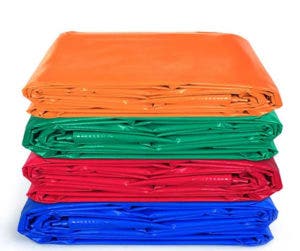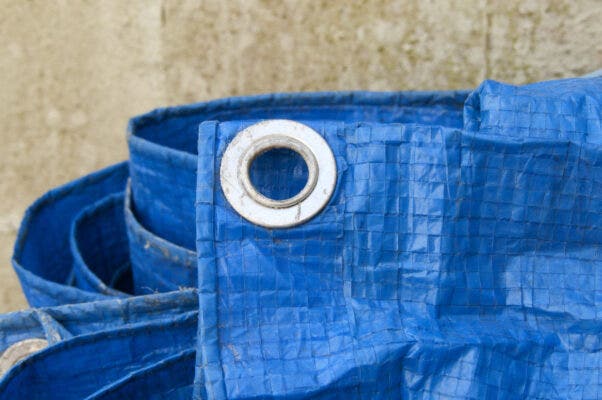
When you are managing a busy event rental business, coordinating facilities for a university, or setting up a major church gathering, it is easy to focus all your attention on the big-ticket assets. You carefully review your inventory of commercial party tents, calculate the capacity of your folding tables and chairs, and inspect your fleet of commercial inflatables. But there is a silent partner in your inventory that quietly protects your investments, ensures guest safety, and preserves your bottom line: the humble tarp.
In commercial and institutional settings, a tarp is never just a tarp. It is the first line of defense against abrasive concrete surfaces, sudden downpours, sharp rocks, and destructive UV rays. Yet, walk into a local big-box retail store, and you will find aisles filled with cheap, lightweight covers that shred after a single weekend of commercial use. For B2B buyers—including schools, summer camps, government agencies, and event operators—understanding exactly what tarps are made of and why tarp materials matter is critical to running a safe, profitable operation.
Investing in the wrong material can result in ruined equipment, failed safety inspections, and unexpected replacement costs that eat into your margins. Conversely, choosing the right commercial-grade material ensures longevity, reliable field performance, and optimal liability protection. At TentandTable, we have spent over 25 years engineering and supplying durable, commercial-grade equipment built for the most demanding environments. Headquartered in Buffalo, NY, we know firsthand how punishing weather and heavy foot traffic can wear down gear.
Let's take a deep dive into the science of tarp materials, break down the core manufacturing components, and explore how to pick the perfect heavy-duty material for your specific organizational needs.
Decoding Tarp Specifications
Before looking at specific raw materials, it is important to understand the technical metrics manufacturers use to grade tarps. When reviewing product descriptions for commercial inventory, you will encounter terms like mil thickness, denier, and weave count. Understanding these terms will help you make an informed decision.
1. Mil Thickness
Mil thickness measures the actual thickness of the tarp material. One mil is equal to 1/1000 of an inch.
-
Retail/Light-Duty: Typically 3 to 5 mils thick. These are prone to tearing under minimal stress.
-
Commercial/Heavy-Duty: Usually ranges from 10 to 20+ mils. Heavy-duty vinyl or poly tarps designed to protect commercial investments require this substantial thickness to survive dragging across asphalt or anchoring beneath heavy inflatables.
2. Weave Count (Mesh Count)
For woven tarps like polyethylene, the weave count indicates the number of threads per square inch in both the vertical (warp) and horizontal (fill) directions. A low weave count (e.g., $8 \times 8$) leaves larger gaps between the threads, making the material highly vulnerable to punctures. High-quality commercial poly tarps boast a tight weave count of $14 \times 14$ or higher, providing superior structural integrity.
3. Denier
Denier is a unit of measurement that determines the textile weight and yarn thickness of the individual threads used in the weave. A higher denier means a stronger, heavier thread. When comparing options for demanding applications like commercial bounce house rentals, opting for high-denier base fabrics ensures that the tarp can withstand massive weight loads without stretching out of shape.
What Are Tarps Made Of? The 4 Core Commercial Materials
Commercial tarps are manufactured from a variety of synthetic and natural polymers, each engineered to offer distinct performance advantages. To choose the right one, let’s explore the structural characteristics of the four most common tarp materials used in B2B applications.
1. Polyethylene (Poly Tarps)
Polyethylene is the most widely utilized plastic polymer in the world, and it serves as the foundation for the classic "poly tarp." To create a commercial poly tarp, manufacturers extrude polyethylene into thin ribbons, weave them into a structural fabric sheet, and then laminate both sides with a solid polyethylene film layer.
-
The B2B Advantage: Poly tarps are inherently water-resistant, lightweight, and highly cost-effective. They handle cold weather well and are easy for crew members to roll up, transport, and deploy quickly.
-
What to Look For: Commercial-grade poly tarps feature built-in UV inhibitors added during the lamination process. Without these stabilizers, sunlight will break down the plastic matrix, leading to flaking, cracking, and rapid failure. For organizations focusing on eco-conscious practices, it's also helpful to look into whether blue plastic tarps are recyclable to plan for sustainable inventory retirement.
2. Polyvinyl Chloride (Vinyl Tarps)
When your operations demand industrial strength, polyvinyl chloride (PVC) vinyl is the definitive standard. Unlike woven poly tarps, heavy-duty vinyl tarps are typically manufactured by coating or laminating a high-strength polyester scrim matrix with liquid PVC.
-
The B2B Advantage: Vinyl tarps are highly durable. They are completely waterproof, heavily resistant to oil, grease, acid, and mildew, and offer incredible abrasion resistance. Crucially for commercial compliance, high-quality vinyl tarps are naturally flame-retardant and meet strict local fire codes.
-
What to Look For: Pay close attention to how the panels are joined. While cheap tarps rely on stitched seams that leak under pressure, top-tier industrial tarps feature heat-welded or radio-frequency (RF) welded seams that create a single, continuous, completely impervious barrier.
3. Canvas (Cotton) Tarps
Canvas is a traditional material woven from 100% natural cotton fibers. Unlike synthetic plastics, canvas is treated with specialized water-resistant and wax-based coatings to repel moisture while remaining fundamentally breathable.
-
The B2B Advantage: Because canvas allows air to pass through its microscopic pores, it prevents water vapor from trapping underneath the cover. This makes it an excellent option for protecting moisture-sensitive equipment from rust, mold, and mildew. Additionally, canvas tarps do not slip easily and can withstand much higher temperatures than poly or vinyl, making them perfect for covering hot machinery or asphalt.
-
The Trade-off: Canvas tarps are significantly heavier when wet and can rot if stored while damp. They generally do not possess the extreme puncture resistance required for high-impact ground protection underneath heavy structures.
4. Mesh Tarps
Mesh tarps are constructed from woven strands of polyethylene, polypropylene, or PVC-coated vinyl, but with an intentional screen-like design that allows air and water to pass through freely.
-
The B2B Advantage: The biggest enemy of a standard solid tarp is wind. When subjected to high gusts, a solid tarp acts like a sail, catching the air and ripping out anchor stakes. Mesh tarps solve this issue by relieving wind pressure, making them perfect for outdoor perimeter fencing, privacy screens, and shade structures.
-
Best Use Cases: Summer camps use mesh tarps to create shaded gathering spaces, while construction crews and municipal departments use them to secure debris in truck beds without trapping wind.
Why Tarp Materials Matter: Impacting Safety, Efficiency, and Your Bottom Line
Choosing a tarp material isn’t just about choosing a color—though understanding how color systems work can streamline your warehouse organization, as noted in our guide on coded tarp colors. Selecting the proper material has direct, measurable consequences for your everyday business operations.
Protecting High-Value Capital Assets
If you run an event rental company, your inflatables and bounce houses represent a massive financial investment. When setting up units, the ground beneath them poses a constant threat. Twigs, hidden glass, gravel, and rough surfaces can score, scrape, or puncture commercial vinyl.
By deploying a heavy-duty PVC vinyl tarp beneath the unit, you create an intentional sacrifice barrier. It absorbs the frictional energy of the moving inflatable against the ground, drastically extending the lifespan of your primary asset. Understanding how to maximize safety and longevity with tarps for bounce houses is a simple practice that can save you thousands of dollars in premature vinyl repairs.
Navigating Hard Surface Setups Successfully
While grassy fields are the ideal landscape for outdoor events, commercial operators are frequently required to erect structures on challenging surfaces like concrete, asphalt, or parking lots. When you are learning how to set up a party tent on concrete, cement, and other hard surfaces, you cannot stake directly into the ground.
In these hard-surface scenarios, the risk of friction damage to your tent walls, drop cloths, and heavy sandbags increases exponentially. Similarly, if you are focusing on safety when safely using inflatables on concrete, a standard retail tarp will quickly wear through. A heavy-duty, multi-layered vinyl tarp provides the necessary cushioning and slide resistance to ensure your setup remains completely secure.
Boosting Operational ROI
Every piece of equipment in your warehouse should be viewed through the lens of profitability. Cheap tarps require frequent replacement, require precious crew hours to tape up or patch mid-event, and look unprofessional to corporate clients. High-quality commercial tarps resist tearing, protect your gear, and look professional year after year.
Before you make your next major inventory purchase, we highly recommend taking a step back to analyze your overall equipment strategy. Try our ROI calculator to clearly see how choosing durable, long-lasting assets lowers your total cost of ownership and drives sustained revenue growth.
Technical Deep Dive: PVC Coated vs. PVC Laminated Fabric
For B2B buyers investing in premium protection, the choice often comes down to the sub-categories of heavy-duty vinyl: PVC-coated versus PVC-laminated fabrics. While they sound identical to the untrained eye, their manufacturing styles lead to distinct performance outcomes.
Manufacturing Insight: Laminated vinyl is created by taking a pre-formed plastic film layer and bonding it to the top and bottom of a woven scrim using heat and adhesive. Coated vinyl, on the other hand, involves passing the polyester scrim fabric directly through a bath of liquid PVC molten plastic, then scraping it with a blade to ensure absolute saturation.
To help you choose between these two high-performing materials, consider this breakdown of their key practical differences:
-
Tear Resistance: Because coated vinyl completely integrates the liquid plastic into the fibers of the inner weave, it delivers superior structural bond strength. It is highly resistant to delamination (where the plastic sheets peel away from the core thread matrix over time).
-
Flexibility & Handling: Coated vinyl remains highly supple and easy to fold, even when temperatures drop significantly. Laminated vinyl is slightly stiffer, which can make it tougher to pack away tightly during late-fall outdoor teardowns.
-
Waterproof Integrity: Both styles offer excellent water resistance, but coated fabrics perform exceptionally well under high mechanical tension. For a deeper understanding of how these manufacturing techniques impact large-scale inventory performance, read our breakdown of PVC-coated fabric vs. PVC-laminated fabric tent tops.
Pro-Tips: How to Extend the Lifespan of Your Commercial Tarps
Even the toughest commercial-grade materials will fail prematurely if subjected to neglect or improper handling. To maximize your return on investment and keep your gear in peak operational condition, integrate these maintenance rules into your warehouse routine.
1. Never Store Materials Wet
This is the cardinal rule of asset management. Whether dealing with poly, canvas, or heavy vinyl, folding and packing a tarp while it is damp traps water molecules inside the rolls. This creates an ideal breeding ground for mold, mildew, and foul odors. Mildew can permanently stain white fabric membranes and slowly degrade the integrity of the material coatings. If you encounter mold buildup on your gear, be sure to review our professional instructions on how to remove mildew and mold safely without destroying the material finishes.
2. Master Proper Cleaning Techniques
Do not use harsh industrial solvents, bleach, or highly abrasive scrubbing pads on your tarps. These chemicals can strip away UV-resistant topcoats and break down the plasticizer compounds that keep vinyl flexible. Instead, use specialized, pH-neutral cleaners specifically formulated for commercial vinyl and fabrics. For a step-by-step breakdown of how to wash down large sheets without damaging them, consult our guide on commercial tent cleaning and maintenance.
3. Avoid Dragging Over Sharp Thresholds
While commercial tarps are designed to survive heavy ground contact, intentionally dragging fully loaded tarps across jagged gravel, metal thresholds, or broken concrete will create micro-tears over time. Always lift your loaded covers using proper material handling tools, or consult our guide on the basics of dollies and hand trucks to implement safer moving habits across your job sites. For more long-term care strategies, read our comprehensive overview of how to make a tarp last longer.
Frequently Asked Questions
What makes a tarp "commercial-grade" compared to a standard retail tarp?
A retail tarp bought at a standard hardware store is typically built for short-term residential projects. They are thin (usually 3-5 mils), feature low weave counts, and use lightweight plastic grommets that easily pull out under wind tension.
A true commercial-grade tarp from TentandTable features a heavy-duty mil thickness (typically 10-20+ mils), high-denier fabric backing, heat-welded seams, and reinforced corners with solid brass or heavy-duty metal grommets spaced closely together. They are engineered to survive repeated commercial use, heavy dragging, and exposure to severe weather.
How fast can I get heavy-duty commercial tarps shipped to my business or organization?
We understand that inventory shortages can stall your operations. That is why TentandTable leverages a reliable logistics framework to provide fast nationwide shipping across the United States. Many of our core commercial items are stocked and ready to dispatch directly from our primary distribution hubs, ensuring your event packages arrive well before your next major booking deadline.
Do vinyl tarps comply with municipal and state fire safety regulations?
Yes, our heavy-duty commercial vinyl tarps are engineered to meet strict fire retardancy safety guidelines, including the California State Fire Marshal standards (NFPA 701 compliance). This is a critical factor for B2B buyers like schools, universities, and event rental businesses, as local inspectors will often shut down events if the structures and ground covers fail to show proof of certified fire retardancy.
Can I buy commercial tarps in bulk or volume orders for large facilities or multi-location rental businesses?
Absolutely. At TentandTable, we specialize in catering to B2B buyers who need to outfit entire equipment fleets or multi-campus institutions. Our expert customer service team can assist you with volume ordering, specialized logistics coordination, and custom package selection to maximize your budget and streamline your procurement process.
Conclusion
The materials that protect your inventory are just as vital as the inventory itself. From the lightweight, adaptable utility of heavy-duty poly tarps to the industrial-strength protection of flame-retardant PVC vinyl, choosing the correct material saves time, reduces liability, and protects your business profits.
For more than 25 years, TentandTable has provided top-tier commercial operators, schools, and organizations across the nation with commercial-grade equipment that outlasts the competition. We invite you to browse our comprehensive inventory of heavy-duty products across our dedicated shopping channels:
-
Explore our professional, weather-resistant structural options on our Party Tents Page.
-
Find high-return, commercial-grade entertainment units on our Inflatables Page.
-
Equip your venues with heavy-duty furniture options from our Tables & Chairs Page.
-
Discover staging, lighting, and specialty items on our Event Rentals Page.
If you need help determining the exact mil thickness, dimensions, or material makeup required for your next institutional setup or rental season, our specialized consulting team is here to help. Contact our TentandTable team today to get personalized advice, custom quotes, and professional support.
As you plan for your upcoming season, take a look at your current warehouse inventory: Are your assets truly protected by commercial-grade materials, or are you one bad storm away from a costly replacement cycle?