Maximizing Your Warehouse Space with Organization Tips

Maximizing Your Warehouse Space with Organization Tips

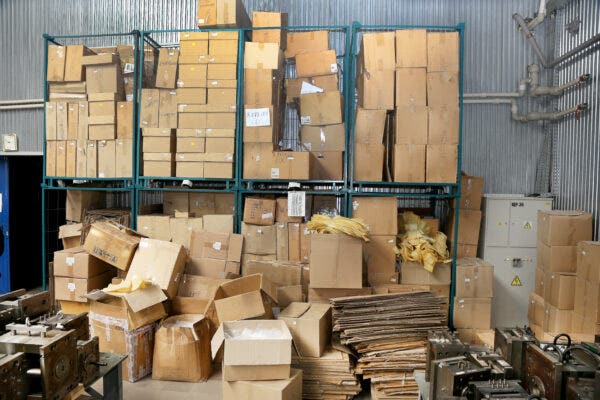
For B2B buyers—including rental business operators, school facility managers, university coordinators, and church leaders—the warehouse is the operational heartbeat of the entire enterprise. It is where expensive capital assets are stored, maintained, and prepared for service. When warehouse space is unorganized, it does more than just cause a visual mess. It slows down loading times, risks employee safety, and opens the door to costly product damage.

In the high-stakes world of commercial events, your inventory needs to stay in perfect condition to deliver a strong return on investment (ROI). Maximizing your warehouse layout ensures that heavy, commercial-grade equipment is easy to reach, safely packed, and ready to ship at a moment's notice. Implementing smart warehouse organization tips turns raw square footage into an efficient, profit-driving asset.

1. Map and Analyze Your Current Floor Plan

You cannot optimize the space you do not completely understand. Before moving a single heavy pallet or stack of chairs, you need to map out your current floor plan to find bottlenecks and underused areas.

Define Your Work Zones

A highly efficient commercial warehouse relies on clear, distinct zones. Mixing these areas confuses and slows down your team. Your floor plan should clearly mark out:

  • Receiving Zone: Where incoming inventory or returned rentals are unloaded and inspected.

  • Staging/Stowage Zone: Where items are temporarily placed before being logged into inventory.

  • Main Storage Area: The core space where your products live long-term.

  • Packing and Shipping Zone: Where outgoing orders are prepped, palletized, and loaded onto trucks.

Calculate True Storage Capacity

Many facility operators look only at overall floor square footage. To truly maximize your space, you must calculate your Warehouse Utilization Volume. This means measuring your vertical clearance alongside your floor area. Look up to see how many feet of open air are sitting empty above your highest racks.

If you are thinking about expanding your fleet or upgrading your facility layout, it is smart to run the numbers before making a financial move. We recommend you try our ROI calculator to see exactly how inventory volume and storage costs balance against your projected rental income.

2. Go Vertical to Unlock Hidden Storage

When floor space gets tight, the best direction to grow is up. Utilizing vertical space is one of the single most effective warehouse organization tips for commercial operations.

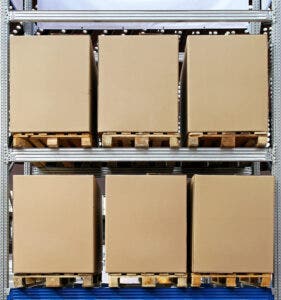
Pallet Racking Systems

Invest in heavy-duty, commercial-grade pallet racking systems that can support thousands of pounds per bay. Selective pallet racks are perfect for event inventories because they give forklifts direct access to every single pallet without needing to move others out of the way.

Industrial Shelving and Mezzanines

For smaller accessories, structural components, or hardware, standard pallet racks might be too large. Installing industrial steel shelving units keeps small items organized. If your warehouse has high ceilings (over 15 feet), adding a structural mezzanine level can instantly double your usable floor space. This creates an upper deck perfect for a dedicated maintenance or dry-storage room.

3. Group and Slot Inventory by Product Velocity

Not all inventory moves at the same speed. "Slotting" is the practice of organizing your warehouse based on how frequently items are picked, packed, and shipped.

The ABC Analysis Method

Group your commercial inventory into three clear buckets:

Category Movement Speed Storage Strategy Examples
A Items High Velocity (Fast Movers) Place near loading docks at ground level Popular peak-season rental items
B Items Medium Velocity (Regular Movers) Place in middle tiers or mid-depth aisles Standard event furniture, backup gear
C Items Low Velocity (Slow/Seasonal) Store on top racks or back corners Winter tent heaters, specialized holiday decor

Tailoring Storage to Your Specific Products

Different types of commercial equipment need specific storage setups to stay safe and accessible:

  • Commercial Tents: Heavy vinyl tops and structural metal pipes require organized, dry storage. Keep your frames separated by size, and store vinyl tops off the ground to prevent dampness. Learn more about choosing the right gear in our frame tent buying guide or explore our full line of commercial party tents.

  • Commercial Inflatables: Packed bounce houses and commercial water slides are heavy and bulky. Store them on heavy-duty pallets on the lowest level of your racks so forklifts or heavy hand trucks can move them easily. Browse our selection of commercial-grade inflatables built for easy transport.

  • Event Furniture: Folding tables and banquet chairs should be stacked vertically on dedicated rolling carts. This saves space in the warehouse and speeds up loading. You can find tough options on our tables and chairs page.

4. Optimize Aisle Widths and Traffic Flow

The space between your racks is just as important as the racks themselves. If your aisles are too wide, you waste valuable storage space. If they are too narrow, you create safety hazards and slow down your team.

Balance Space and Access

  • Wide Aisles (11 to 12 feet): Best for standard sit-down forklifts moving wide, heavy loads like commercial tents and large pallets.

  • Narrow Aisles (8 to 10 feet): Great for stand-up lift trucks and manual picking crews. This layout helps you fit more racks into your floor plan.

  • Very Narrow Aisles (under 7 feet): Maximizes storage space, but requires specialized narrow-aisle lift equipment.

Design One-Way Traffic Lanes

Whenever possible, set up your main traffic aisles for one-way travel. Use bright floor tape or painted arrows to clearly mark the flow. This reduces warehouse traffic jams, prevents costly equipment collisions, and ensures that warehouse workers can navigate the space quickly and safely.

5. Invest in Specialized Material Handling Equipment

Trying to move heavy, commercial-grade equipment without the right tools wastes time and risks injuring your crew. Equipping your warehouse with the proper handling tools protects both your workers and your bottom line.

Heavy-Duty Transport Tools

  • Forklifts and Pallet Jacks: A reliable forklift is essential for lifting heavy pallets up into your vertical racks. Hand pallet jacks are perfect for moving items around tight staging areas.

  • Industrial Hand Trucks and Dollies: For day-to-day handling, specialized hand trucks are a lifesaver. To learn how to pick the right options for your crew, check out our guide on the basics of dollies and hand trucks.

Roll and Wrap Heavy Soft Goods

Heavy fabric items like tarps, tent tops, and inflatables are much easier to handle when they are rolled properly. Use heavy-duty straps to keep them bundled tight. For an easy way to secure items for transit or long-term storage, read our guide on how to use ratchet straps.

6. Implement a Warehouse Management System (WMS)

A physical warehouse cleanup is only half the battle. To keep your space optimized long-term, you need digital control over your inventory numbers and locations.

Barcode and QR Code Tracking

Give every product type, pallet, and rack slot its own unique barcode or QR code label. When your team scans items during receiving, storage, and shipping, your inventory records stay accurate in real time. This cuts down on lost items and keeps workers from wasting time searching the warehouse floor.

Digital Space Optimization

Modern Warehouse Management Systems (WMS) can automatically recommend the best storage slot for incoming items based on size, weight, and how fast they sell. This ensures your high-velocity goods always end up in the easiest-to-reach locations.

7. Establish Strict Warehouse Maintenance and Cleaning Routines

A clean warehouse is an organized warehouse. Dust, dirt, and clutter slow down your operations and can cause long-term damage to your equipment.

Daily and Weekly Checklists

Keep your warehouse running smoothly by holding your team to a regular cleaning schedule:

  • Daily Cleanups: Sweep high-traffic aisles, clear out empty pallets, and empty all trash bins at the end of every shift.

  • Weekly Audits: Check that aisle markers are visible, inspect racks for damage, and make sure all inventory is in its proper place.

Clean Your Inventory Before Storing

Putting dirty or wet gear away in your racks is a recipe for mold, mildew, and rot. Always make sure your equipment is clean and completely dry before it goes into long-term storage:

Partner with an Industry Expert

For more than 25 years, TentandTable (headquartered in Buffalo, NY) has supplied durable, brand-new, commercial-grade equipment built for demanding environments. We understand the unique storage, safety, and operational challenges that commercial operators face every day.

Whether you need heavy-duty party tents, commercial inflatables, durable event furniture, or high-quality event rentals like staging and dance floors, we provide reliable solutions backed by fast nationwide shipping and expert customer service.

Frequently Asked Questions (FAQs)

How can we safely store heavy commercial inflatables to save space?

The best way to store heavy commercial inflatables is to roll them tightly, secure them with industrial straps, and place them on heavy-duty pallets on the lowest level of your racking system. This keeps them off the ground to protect against moisture and lets your team move them easily with a forklift or pallet jack. Always ensure they are completely dry before storage to prevent mold.

What is the most efficient way to store large quantities of folding tables and chairs?

To maximize space, store folding tables and chairs vertically on specialized, rolling storage carts. This minimizes their physical footprint, keeps your inventory organized by style and size, and allows your crew to roll large quantities of furniture directly onto delivery trucks, saving time and labor.

How do TentandTable commercial products hold up in long-term warehouse storage?

All TentandTable products are built with commercial-grade, heavy-duty materials designed to last. Our party tents use top-tier PVC vinyl that resists mold, mildew, and UV damage, while our tables and chairs feature rugged frames built for frequent stacking. When stored clean and dry, our inventory maintains its strength and professional look season after season.

Does TentandTable offer bulk shipping options for large inventory orders?

Yes. Thanks to our 25+ years of industry experience and strong freight relationships, we provide fast nationwide shipping with excellent freight rates for large-volume orders. Our team works directly with B2B buyers to coordinate smooth deliveries that fit your warehouse's receiving schedule.

Conclusion

Maximizing your warehouse space is an ongoing process that requires smart planning, the right storage systems, and clear organization. By going vertical, slotting your items by how fast they move, and keeping your facility clean, you can boost your team's efficiency, protect your expensive gear, and improve your bottom line.

Ready to optimize your inventory and upgrade your facility's layout with durable, commercial-grade equipment? Contact our TentandTable team today to connect with an expert who can help you pick the perfect products for your business.

When you look at your current warehouse layout, what is the single biggest bottleneck slowing down your team's loading times today?

Previous Fall Party Rentals are Coming. Are You Prepared?
Next Are You Promoting How Clean Your Bouncy Castle Rentals Are?
Leave a Reply