
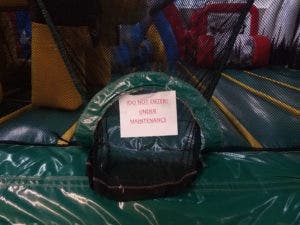
How to Patch a Bounce House Like a Pro

How to Patch a Bounce House Like a Pro

For event rental business operators, summer camp directors, church organizers, and school administrators, commercial inflatables are major revenue drivers. A high-quality commercial bounce house can anchor a community gathering or turn a backyard birthday party into a premium experience. However, in the demanding B2B event industry, wear and tear is an inevitable part of the business.

A small puncture or a minor seam tear from a rogue shoe, a sharp stick, or heavy usage can quickly stall your operations. If left unaddressed, a minor tear can widen into a major safety hazard, forcing you to turn away lucrative bookings during peak season.

Knowing how to patch a bounce house like a pro is a foundational skill that keeps your fleet operational, protects your event guests, and extends the lifespan of your physical assets. In this comprehensive guide, we will break down how to identify, prepare, and permanently fix damage on commercial-grade vinyl, ensuring your investments remain safe and profitable for years to come.

The Cost of Neglect vs. The Power of Proactive Repair

Every hour an inflatable spends benched in your warehouse is lost income. Before you assume a damaged unit needs immediate replacement, it is vital to calculate its long-term financial viability. Many fleet managers use our interactive tool—you can try our ROI calculator to see exactly how preserving your inventory impacts your bottom line.

When managing an event inventory, understanding costs is critical. Operators frequently evaluate how much a bounce house costs to buy against its potential lifetime rentals. If a unit experiences a small puncture, a rapid, pro-level patch job can save you thousands of dollars in premature replacement costs.

Maintaining your equipment correctly ensures you preserve your margins. This proactive approach is exactly what differentiates amateur operations from high-earning, scalable event enterprises.

Step 1: Finding and Assessing the Damage

You cannot fix a leak until you know exactly where it is. While large gashes are obvious, slow leaks can be elusive, gradually deflating the unit and causing sagging that triggers safety concerns.

The Soap and Water Technique

To find a hidden puncture, inflate the unit completely. Mix a few drops of liquid dish soap with warm water in a spray bottle. Spray the suspected areas—focusing heavily on high-stress zones like seams, step entries, and internal walls.

If there is a leak, escaping air will rapidly blow visible bubbles through the soapy solution. Once found, use a grease pencil or a piece of masking tape to mark the exact boundaries of the puncture.

Categorizing the Tear

Before pulling out your repair tools, evaluate the severity of the damage:

  • Minor Punctures (Under 2 Inches): Simple pinholes or tiny slices on a flat surface can be quickly patched using high-grade vinyl adhesive and a matching patch.

  • Medium Tears (2 to 6 Inches): These require a wider patch diameter, careful round-cutting to prevent edge peeling, and weighted curing.

  • Major Structural Damage (Over 6 Inches or Seam Splits): If a structural seam has split extensively, it will require professional heavy-duty stitching combined with an adhesive overlay.

For operators looking to perform comprehensive maintenance checkups, review our guide on tips for repairing inflatables to help categorize structural issues vs. cosmetic tears.

Step 2: Gathering Professional-Grade Repair Supplies

Amateur tape patches fail under pressure. Commercial inflatables handle intense air pressure and dynamic physical weight, requiring professional supplies designed for the job.

Using subpar materials can result in catastrophic field failures during an event, damaging your brand's reputation and risking user safety. To protect your assets, ensure your maintenance crew keeps a fully stocked warehouse kit. Learn more about planning ahead with the rental pros repair and prep kit to avoid supply shortages.

Step 3: Preparing the Vinyl Surface

An adhesive bond is only as strong as the surface preparation. Dirt, mud, moisture, body oils, and sunscreen residue will completely prevent industrial vinyl cement from bonding correctly.

  1. Deflate the Unit: Never attempt to apply glue or patches to a fully or partially inflated bounce house. The internal air pressure will push the glue outward, creating air bubbles and destroying the seal.

  2. Deep Clean the Area: Scrub the damaged area thoroughly. If you are dealing with seasonal storage issues, follow our steps to remove mildew and mold from a bounce house before beginning repairs.

  3. Degrease with Alcohol: Wipe down the vinyl surrounding the tear with isopropyl alcohol. This removes invisible residues and dries instantly without degrading the PVC fabric.

Step 4: Cutting and Applying the Patch

The mechanics of cutting and applying the patch dictate how long the repair will last under commercial use.

The Rule of Rounded Corners

When cutting your replacement vinyl patch, always cut it into a circle or an oval. Never leave sharp, square 90-degree corners. Square corners easily catch on children's clothing, bare feet, or ground tarps, causing the patch to peel over time. Ensure the patch extends at least 2 inches past the edges of the damage in all directions.

Applying the Chemical Bond

We highly recommend using industrial-grade HH-66 Vinyl Cement. This adhesive creates a chemical weld rather than a simple sticky layer, fusing the two vinyl sheets together.

  • Apply a thin, even coat of vinyl cement to both the back of the cut patch and the prepared surface of the bounce house.

  • Wait for it to become tacky: Let the glue sit unattached for 2 to 3 minutes. It should look slightly matte and feel sticky but not transfer to your finger.

  • Press and Roll: Press the patch firmly onto the tear. Use a hard seam roller starting from the center and moving outward to expel all trapped air bubbles.

  • Weight and Cure: Place a heavy, flat object (like a clean sandbag or iron weight) over the patch. Allow it to cure for at least 12 to 24 hours before inflating the unit.

For further steps on protecting the base of your units during field operations, refer to our guide on how to maximize safety and longevity with tarps for bounce houses.

Advanced Protection: Preventing Wear and Tear in the Field

While knowing how to repair damage is essential, smart operators focus on preventative care to avoid punctures entirely.

Ground Setup Protocols

Always use high-durability tarps underneath your inflatables, even on seemingly pristine surfaces. Small stones, root systems, or forgotten twigs can cause friction punctures over a single afternoon. If your business regularly deploys units on asphalt, concrete, or indoor convention spaces, read our expert advice on safely using inflatables on concrete to safeguard your equipment base.

Routine Cleansing and Drying

Moisture trapped within folded vinyl creates a breeding ground for destructive bacteria that can break down commercial-grade thread seams. Ensure your crew knows how to clean a bounce house thoroughly between rentals, allowing it to dry completely in the sun before rolling.

Diversifying Your Fleet with High-Value B2B Inventory

If your current inflatable fleet is showing its age despite extensive repair efforts, it might be time to retire older units and invest in resilient inventory. At Tent and Table, we have spent over 25 years manufacturing ultra-durable, commercial-grade equipment built specifically for demanding rental environments.

Expanding your catalog beyond traditional bounce houses allows you to capture higher-ticket corporate and community events. Consider diversifying your business model with these high-ROI categories:

Frequently Asked Questions (FAQs)

How long do shipping deliveries take for replacement units or bulk repair kits?

At Tent and Table, we operate a centralized headquarters in Buffalo, NY, alongside dedicated regional distribution hubs. This logistics infrastructure allows us to offer fast nationwide shipping on all commercial orders across the United States. In-stock items and repair components typically ship out within 24 to 48 hours, minimizing your operational downtime.

What makes commercial-grade inflatables more durable than retail units?

Commercial-grade inflatables are manufactured using heavy-duty, 15oz to 18oz PVC-laminated vinyl. Unlike thin nylon retail options, our units feature multi-layered reinforcements, double-to-quadruple stitched seams, and heat-welded high-stress points. This design handles repetitive commercial use, heavy adult weight capacities, and frequent transport.

Do you offer volume ordering discounts for large organizations?

Yes. We routinely partner with commercial event businesses, government agencies, universities, churches, and large summer camps across the country. Our specialized sales consultants provide custom structural package options and volume tier pricing discounts. To request a tailored commercial quote, please Contact our Tent and Table team today.

Can we finance new commercial inflatables or event tents?

Absolutely. We understand that scaling an event rental business requires managing cash flow effectively. We offer flexible B2B financing options that allow you to procure premium inventory immediately while paying over time as the equipment generates revenue.

Conclusion

Mastering the art of patching a commercial bounce house protects your fleet from unexpected downtime and keeps your rental operations highly profitable. By using professional-grade vinyl cement, cutting rounded patches, and executing proper surface preparation, you can handle minor repairs yourself and maximize the lifespan of your physical assets.

When the time comes to scale your business with durable, premium inventory, ensure you choose a manufacturing partner with a proven track record. From structural commercial inflatables and rugged commercial party tents to institutional event furniture and high-occupancy supplemental event rentals, our products are built to last. Learn more about our quarter-century of manufacturing heritage on our About Us page.

As you plan out your operational goals and evaluate your maintenance workflows for the upcoming season, consider this: What step will your team take today to improve your equipment inspection routine and protect your rental revenue before your busiest weekend arrives?


Previous Air Dancers: The Wacky Flailing Story of Inflatable Tube Man
Next Hurricane Season: Getting Your Party Rental Company Prepared
Leave a Reply