When business owners think about high-value assets, they often look straight to large items like Commercial Inflatables or elegant Commercial Party Tents. However, smart operators know that the smaller accessories running behind the scenes are just as crucial to the daily success and safety of their business.
Among these unsung heroes, the commercial tarp stands out as one of the most versatile and hard-working tools in your inventory. Whether you are running a high-volume event rental business, managing a summer camp, overseeing school grounds, or organizing church gatherings, tarps are essential. They protect expensive investments from abrasive surfaces, shield gear from unpredictable weather, and provide clean ground cover for guests.
Because tarps face rough ground, heavy friction, and intense weather conditions, they can wear out quickly if they are not cared for properly. Replacing inventory constantly drains your profits and cuts into your margins. Learning how to make a tarp last longer is a practical, direct way to reduce overhead costs and keep your operations running safely.
This comprehensive guide breaks down six practical tarp care tips designed specifically for commercial and B2B buyers. By implementing these simple maintenance strategies, you can extend the lifespan of your tarps, safeguard your primary rental assets, and maximize your return on investment.
The Role of Tarps in Commercial Asset Protection
Before looking at the care steps, it helps to understand exactly how much heavy lifting a tarp does for your business. Tarps are not just simple covers; they are a vital line of defense.
For instance, when setting up an inflatable water slide or bounce house, placing a durable footprint underneath is standard safety protocol. Ground friction can easily scratch, scrape, or puncture commercial vinyl. Using heavy-duty ground coverings helps to maximize safety and longevity with tarps for bounce houses, ensuring your primary revenue generators stay in peak condition.
Similarly, tarps play a key role when setting up temporary gathering spaces. They keep event items like Event Furniture clean during outdoor setups on grass, dirt, or damp soil. They also act as defensive barriers for delicate Supplemental Rentals such as outdoor dance floors, staging, and electrical distribution lines.
By taking care of your tarps, you are directly taking care of the more expensive assets they protect.
Six Practical Tips to Make Your Commercial Tarps Last Longer
1. Choose the Right Material and Grade for the Job
The journey to a long-lasting tarp starts long before you deploy it in the field. It begins with purchasing the right grade of material for your specific commercial application. Using a lightweight, retail-grade utility tarp for heavy B2B work is a recipe for instant failure.
Commercial applications require heavy-duty materials designed to handle constant loading, unloading, dragging, and pinning. When evaluating your options, pay close attention to material composition. Heavy-duty vinyl and high-density polyethylene are the industry standards for commercial operations. Understanding what are tarps made of and why do tarp materials matter will help you match the tarp weight, weave count, and coating to your actual work environment.
For specialized industrial use, such as winter construction projects or municipal work, you may need heavy-duty choices like concrete curing blankets. These provide targeted thermal protection far beyond standard covers.
Always check color-coding standards if your team handles multiple types of tarps. Knowing the differences between colored tarps and coded tarp colors helps your field crews quickly grab the right heavy-duty tarp for the job, avoiding the accidental use of a light-duty tarp for a demanding task.
2. Implement a Strict "Clean and Dry" Routine
Moisture is the single greatest enemy of stored commercial fabrics. When outdoor gear is packed away wet, damp, or dirty, it creates an ideal breeding ground for mold and mildew. Over time, these fungi eat away at the protective coatings and fibers, weakening the material and causing foul odors that can ruin an event setup.
To protect your investments, your team should treat tarp cleaning with the same care they give to major rental units. If you know how to maintain other vinyl goods—such as following the steps for commercial tent cleaning—you can easily apply those same principles to your tarps:
-
Remove Loose Debris: Sweep away all mud, grass, gravel, and standing water immediately after use.
-
Wash with Gentle Cleaners: Use a mild soap solution and a soft-bristle brush to scrub away stubborn dirt. Avoid harsh commercial solvents or bleach, which can strip away UV-resistant coatings.
-
Rinse Thoroughly: Ensure no soap residue remains on the surface, as left-behind soap can attract dirt during the next setup.
-
Dry Completely: Hang the tarps or spread them out flat in a well-ventilated area until they are 100% dry on both sides before folding them.
If your team struggles with mildew on other items, like knowing how to remove mildew and mold from a bounce house, you know how difficult it can be to clean once it spreads. Proactive drying prevents this entire problem, ensuring your tarps smell fresh and remain strong for years.
3. Secure Properly Without Over-Tensioning
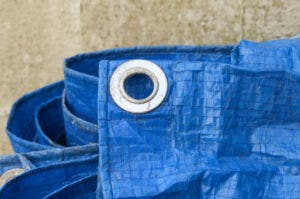
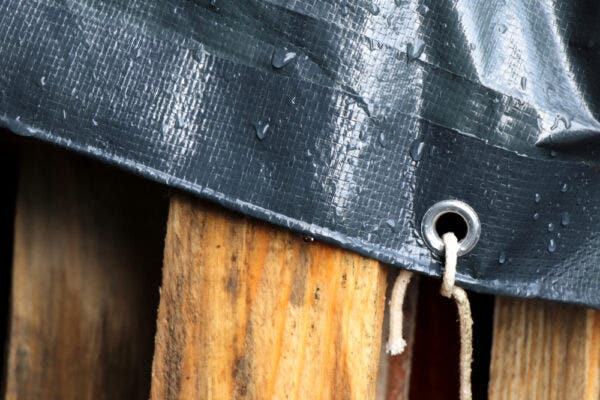
A common mistake made during field setups is pulling a tarp too tight. While a taut cover prevents wind flapping, over-tensioning puts massive stress on the grommets, seams, and tie-down points. Under high winds, an over-tightened tarp can easily rip its grommets completely out of the hem.
To secure your gear safely, distribute the structural load evenly across multiple anchor points. Avoid using rigid, unyielding wires or cheap ropes that focus all stress onto a single point. Instead, use commercial-grade tie-downs, elastic bungee balls, or professional straps.
Learning the basics of cargo control—such as how to use ratchet straps properly—gives your crew the knowledge to anchor equipment securely without crushing or tearing the fabrics. The goal is a secure, stable fit that allows the fabric to flex naturally when hit by sudden gusts of wind.
4. Practice Smart Storage and Folding Techniques
How your crew treats your inventory in the warehouse during the off-season matters just as much as how they handle it in the field. Shoving a crumpled, dirty tarp into the back of a truck or warehouse corner creates permanent creases. These creases weaken the material over time, leading to cracking and leaks along the fold lines.
Train your staff to follow these clear warehouse rules:
Professional Storage Rules:
-
Never store tarps directly on damp concrete floors. Use pallets or heavy-duty shelving to keep them elevated.
-
Keep inventory away from direct sunlight, heating vents, and areas prone to pests.
-
Avoid stacking heavy equipment, like iron stakes or structural poles, directly on top of folded tarps. This weight can crush the material and puncture the fabric.
Organizing your space effectively will keep your inventory safe. Consider using proven warehouse space organization tips to create dedicated, clean zones for all your ground cloths and covers. Keeping your storage space tidy makes it easy to find gear and prevents accidental damage.
5. Inspect Constantly and Patch Holes Immediately
Small tears quickly turn into massive, unrepairable rips if they are ignored under field tension. A tiny puncture from a sharp rock can quickly slice across the entire length of a ground cloth when a heavy commercial inflatable is dragged across it.
Make regular inspections a standard part of your breakdown routine. Every time a tarp is cleaned and dried, the crew should check the fabric for small holes, fraying hems, or loosening grommets.
If you find a puncture, patch it right away. You do not need a complicated repair kit; the same structural skills used to patch a bounce house like a pro apply beautifully to industrial tarps. Using high-quality commercial vinyl adhesive and matching patch material creates a waterproof bond that restores the tarp's strength, giving it many more months of dependable field service.
6. Protect Fabric from Environmental Hazards
Commercial tarps are built to withstand tough outdoor conditions, but prolonged exposure to extreme hazards will shorten their lifespan. High UV radiation from the sun can break down synthetic polymers over time, making the fabric brittle and prone to cracking.
Whenever possible, minimize unnecessary exposure to harsh environments:
-
Avoid Tree Sap and Acids: Do not leave covers under trees that drop heavy sap or acidic fruits, which can eat away at vinyl coatings.
-
Watch Out for Chemical Over-Spray: Keep tarps away from harsh landscaping chemicals, fertilizers, and automotive fluids.
-
Store During Extreme Weather: If a major storm or severe winter weather is coming and the tarp is not actively protecting an asset, store it indoors.
-
Use Proper Handling Tools: When moving heavy, rolled-up tarps across a venue, avoid dragging them over rough asphalt. Use proper transport tools. Learning the basics of dollies and hand trucks helps your team transport heavy gear safely, saving your staff's backs and protecting your fabrics from ground friction.
The Financial Impact: Tracking Asset ROI
Every dollar you save by extending the life of your support gear is a dollar added directly to your net profits. When starting or scaling an inventory-heavy operation, managing small expenses is what separates highly profitable companies from those that struggle.
New business owners often fall into common traps, such as the mistakes new party rental companies keep making, which often includes neglecting accessory maintenance and overspending on replacement gear. If you treat your tarps as long-term assets rather than disposable items, you lower your operating costs significantly.
Before purchasing new inventory to expand your services, it is wise to calculate your true costs and returns. We recommend taking a moment to try our ROI calculator. Running the numbers helps you see exactly how minor improvements in equipment lifespan directly increase your business's bottom line.
Frequently Asked Questions (FAQs)
Why should our business invest in commercial-grade tarps instead of buying cheaper retail options?
Retail tarps are designed for light, occasional residential use. They are thin, have low weave counts, and tear easily under tension.
Commercial-grade tarps from TentandTable feature high-density weaves, heavy-duty PVC vinyl or poly coatings, heat-sealed seams, and reinforced grommets. For schools, rental operators, and government agencies, commercial tarps offer a much lower total cost of ownership because they last many times longer and protect your valuable primary assets from damage.
How long does shipping take for bulk commercial tarp and equipment orders?
At TentandTable, we understand that timing is everything when preparing for peak event seasons or sudden community needs. Backed by over 25 years of industry experience from our headquarters in Buffalo, NY, we offer fast nationwide shipping across the United States.
Most in-stock items ship out quickly, ensuring your team gets its essential supplies without costly project delays.
Can we purchase commercial tarps in large quantities, and are there volume discounts for organizations?
Yes. We regularly work with schools, universities, summer camps, churches, and event rental franchises that need to place large volume orders.
Purchasing your gear in bulk ensures all your job sites have matching, high-quality protection. Please reach out directly to our commercial sales representatives to discuss bulk pricing tiers and custom order logistics tailored to your organization's budget.
How do we know what size tarp to purchase for our event tents or commercial inflatables?
As a general rule, your ground tarp should match or be slightly larger than the footprint of the unit it protects, but it should not stick out so far that it creates a tripping hazard or collects standing rainwater. For inflatables, the tarp should cover the entire base, including the inflation tube area.
If you are matching ground tarps to event setups, check out our guide on what size party tent do I need to get precise dimension breakdowns for proper layout planning.
What is the best way to clean a large commercial tarp if our facility has limited space?
If you do not have a large asphalt lot to spread the tarp flat, the best approach is to wash it in sections. Feed the tarp across a clean, raised surface like a series of folding tables, scrubbing and rinsing one section at a time.
Alternatively, you can hang the tarp over a secure fence or clothesline to wash it vertically. The most important step is ensuring it remains hanging until both sides are completely dry before you fold it for storage.
Conclusion
To make your commercial tarps last longer, you need two things: a disciplined care routine and high-quality materials. By training your team to clean, dry, anchor, and store tarps correctly, you protect your inventory and build a more profitable, efficient business.
For more than 25 years, TentandTable has been a trusted supplier of commercial-grade event and outdoor gear. From heavy-duty ground coverings and party tents to bounce houses and event furniture, we deliver durable products designed to handle the toughest commercial work. Lean on our expertise, fast nationwide shipping, and dedicated customer support to keep your business growing.
Ready to upgrade your inventory with durable, commercial-grade tarps built for demanding environments? Contact our TentandTable team today to speak with an expert, get a custom quote, and set your business up for a successful season!
How much money could your business save this year simply by extending the life of your daily field accessories?