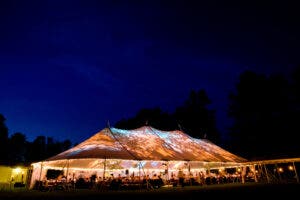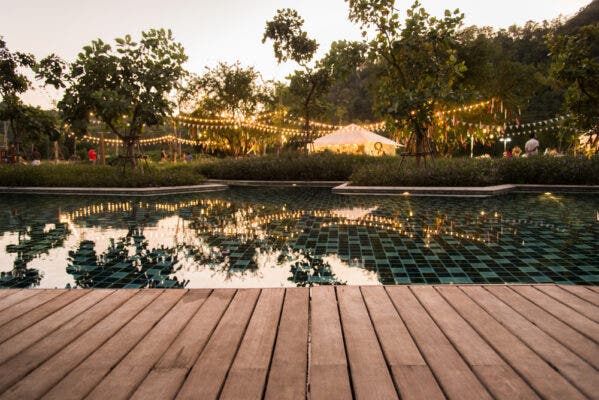
In the modern event industry, creating a captivating atmosphere is no longer just an optional upgrade—it is a core business requirement. Whether you manage an event rental company, operate a commercial venue, or oversee outdoor gatherings for universities, churches, or government agencies, the ambiance you provide directly impacts customer satisfaction and your bottom line.
Among all the decor elements available, outdoor string lights remain the most cost-effective and high-impact way to transform a standard temporary shelter into a premium, memorable gathering space.
However, lighting a commercial temporary structure involves more than just plugging in a few extension cords. It requires a strategic understanding of structural safety, electrical load management, and efficient rigging techniques. Doing it incorrectly can damage expensive inventory, create severe safety hazards, or look unprofessional to discerning B2B clients.
As a trusted leader with over 25 years of industry experience supplying durable, brand-new, commercial-grade equipment built for demanding environments, Tent and Table is here to guide you. This comprehensive guide covers everything event professionals need to know to safely, efficiently, and beautifully hang outdoor string lights in a commercial party tent.
Understanding Your Tent Type Before Rigging
Before selecting your lighting layout or buying mounting accessories, you must understand the structural design of the tent you are working with. The mechanical frame dictated by your inventory will determine how and where you can attach your lighting strands.
1. Frame Tents
Frame tents utilize a rigid skeleton made of heavy-duty aluminum or steel pipes. Because they do not rely on center poles for structural support, they offer a completely open interior layout. This framework provides clear, sturdy attachment points along the perimeter rafters, crown assemblies, and spreader pipes.
-
Best Lighting Styles: Grid, perimeter, or radiant starburst patterns.
-
Key Advantage: Highly predictable, rigid attachment points that easily support heavy-duty commercial cabling.
-
Pro-Tip: If you are planning to expand your structural inventory to accommodate larger lighting setups, review our comprehensive frame tent buying guide or explore specialized 20 x 20 HPF frame tent installation tips.
2. Pole Tents
Pole tents rely on high-tension fabric supported by tall center poles and perimeter side poles anchored firmly into the ground. They offer beautiful, soaring fabric peaks but present different challenges for lighting due to the large open spaces between the perimeter walls and the central poles.
-
Best Lighting Styles: Tent-peg radial sweeps, peak-to-peak stringing, or direct center-pole downlighting.
-
Key Advantage: Drastic vertical height changes that allow for dramatic, sloping sweeps of light.
-
Resource: Unsure which style fits your current rental fleet needs? Check out our pole tent vs frame tent quick guide to make an informed asset choice.
Essential Equipment Checklist for Tent Lighting
To achieve a secure, code-compliant, and visually striking installation, your crew needs the proper commercial-grade tools. Avoid consumer-grade plastic clips or household extension cords. Instead, build a dedicated professional lighting kit consisting of the following items:
-
Commercial-Grade LED String Lights: Opt for heavy-duty, weatherproof strands (typically 14-gauge or 16-gauge wire) featuring molded rubber sockets and outdoor-rated male and female plugs. LED bulbs are strongly recommended over traditional incandescent versions because they draw significantly less power and generate minimal heat against the vinyl tent top.
-
Tent Frame C-Clamps and O-Clamps: Heavy-duty metal clamps designed specifically to lock onto standard 2-inch or 1.5-inch aluminum frame pipes without scratching or slipping.
-
Heavy-Duty Zip Ties (UV-Resistant): Thick black zip ties (50 lb. to 120 lb. tensile strength) provide excellent temporary hold along structural frames and are easily removed during teardown.
-
Coated S-Hooks and Carabiners: Vital for creating secure drop-points from high center crowns or perimeter brackets without tearing the fabric.
-
Aircraft Guide Wire (Guy Wire): For expansive spans exceeding 30 feet, a braided steel guide wire is essential to support the weight of the lighting strands and prevent droop or tension stress on the tent framework.
-
Commercial Extension Cords & GFCIs: Weatherproof, heavy-gauge (12/3 SOOW) extension cords paired with Inline Ground Fault Circuit Interrupters (GFCIs) to guarantee electrical safety in unpredictable outdoor environments.
Step-by-Step Guide: How to Hang the String Lights
Executing a flawless setup requires a methodical approach. Follow this structural workflow to ensure a fast, secure, and damage-free installation every time.
Step 1: Map Out Your Layout and Power Source
Before lifting a single ladder, inspect the event footprint. Locate the primary power source—whether it is a commercial venue outlet or a dedicated portable generator.
-
Calculate the total distance from the power source to the tent's structural entry point.
-
Determine the maximum power draw of your combined light strands to prevent overloading your circuits. If you are operating remote field setups, ensure your power generation assets are up to the task by referencing our guide on what generator do I need for my event rental company.
Step 2: Perform a Structural Pre-Check
Inspect your tent structure to ensure it is fully anchored, tensioned, and level. If the tent is anchored on an uncompromising surface, confirm that you have followed the strict safety steps outlined in how to set up a party tent on concrete, cement, and other hard surfaces. Never hang heavy commercial lighting systems on a structure that is not perfectly secured to the ground.
Step 3: Install Your Mounting Clamps and Hardware
While the tent is assembled but before any secondary items like dance floors or banquet furniture are brought in, install your primary rigging hardware. Place C-clamps or O-clamps at your planned structural connection points along the aluminum rafters or center poles. For high-peak models, your crew can utilize specialized tools to raise components safely—learn more about optimizing this workflow with our guide on what is a tent jack and when/how should you use one.
Step 4: String and Support the Cable Runs
Begin hanging the string lights at the point closest to your electrical supply line.
-
For Frame Tents: Run the strands directly along the interior perimeter bars or rafters, securing the cable every 2 to 3 feet with heavy-duty zip ties or specialized hook-and-loop straps. Keep the line taut but leave a tiny fraction of slack to accommodate wind-induced structural shifting.
-
For Wide Spans: If creating a dramatic crisscross pattern over a large area, string a stainless steel aircraft guide wire first. Anchor it securely to the frame junctions using rated shackles or heavy-duty ratchet straps. Once the guide wire is tight, clip or zip-tie your string lights directly to the wire. This transfers all mechanical tension away from the delicate copper electrical cord and onto the load-bearing steel cable.
Step 5: Secure the Cord Drops and Test
Run your vertical drop cords cleanly down the inside of a tent corner leg or center pole. Secure the cable firmly using black gaffer tape or heavy zip ties so that it does not present a tripping hazard for guests or staff. Connect the main line to your GFCI outlet and test the entire installation before commencing final event staging.
Popular Tent Lighting Layouts for Events
The layout you choose dictates the visual energy of the gathering space. Consider these high-impact configurations depending on the style of your upcoming corporate event, wedding reception, or community gala:
|
Layout Style |
Visual Effect |
Best Structural Match |
Installation Effort |
|
Perimeter Border |
Clean, architectural framing that outlines the tent's footprint and highlights premium fabric walls. |
All Tent Types (Frame, Pole, Canopy) |
Low |
|
The Crisscross (X-Pattern) |
A timeless classic providing even, cross-directional illumination over dining spaces or dance areas. |
Square Frame Tents |
Medium |
|
Radiant Starburst / Canopy |
All lines radiate outward from a central high peak or crown down to the lower perimeter walls, mimicking a glowing sky. |
High Peak & Pole Tents |
High (Requires Guide Wires) |
|
Parallel Rows (The Festoon Grid) |
Clean, modern lines run wall-to-wall, ideal for structured layouts, vendor booths, or long banquets. |
Rectangular Frame Tents |
Medium |
For additional design inspiration on crafting memorable guest experiences, review our field-tested recommendations for creating the perfect ambiance with lighting tips for outdoor parties.
Pro-Tips for Safety, Efficiency, and Longevity
To protect your staff, your guests, and your physical capital, incorporate these strict commercial safety standards into your operational training manuals:
1. Protect Your Fabric Assets
Never allow hot incandescent lightbulbs or sharp metallic hanging hardware to press directly against your vinyl tent tops. Over time, friction and localized heat can weaken the material, causing costly tears or discoloration. If you ever encounter fabric degradation or localized staining during maintenance teardowns, discover the correct restoration methods via our specialized guide on how to remove rust from a party tent's fabric and metal.
2. Streamline Fleet Transport and Storage
Tangling miles of heavy-duty string lights during a fast-paced commercial teardown costs valuable time. Train your crew to wrap lighting strings systematically onto specialized industrial cord reels or heavy-duty storage bins. When moving heavy gear from the warehouse to your transport vehicles, protect your crew's physical safety and speed up loading times by equipping them with commercial-grade material handling tools found in our overview of the basics of dollies and hand trucks.
3. Plan for Weather Dynamics
Outdoor events are subject to sudden climate shifts. High winds can cause tent structures to flex and move. If your light strands are pulled too tight without guide wire support, this structural movement can snap the electrical lines or pull down hardware. Always check your structural tie-downs and prepare your logistics team for shifting conditions by utilizing our strategic manual: rain or Shine: How to Plan for Weather Changes at Outdoor Parties.
Maximizing Your Return on Investment (ROI)
For event rental business operators, high-end tent lighting is an incredibly lucrative cross-selling tool. By offering professional illumination as part of a tiered rental package, you can dramatically increase your average ticket size without significantly expanding your transportation footprint.
When analyzing your yearly capital expenditures and fleet expansion plans, it pays to mathematically evaluate your inventory decisions. Before making your next asset purchase, we highly encourage you to utilize our interactive tool: Try our ROI calculator. This calculator helps you see exactly how quickly professional lighting systems, premium party tents, or heavy-duty tables and chairs pay for themselves and generate long-term profitability.
Frequently Asked Questions (FAQs)
How long does shipping typically take for bulk commercial equipment orders?
At Tent and Table, we recognize that event deadlines are absolute. Operating out of our primary headquarters in Buffalo, NY, along with our expanding regional footprint, we offer exceptionally fast nationwide shipping across the United States. In-stock commercial inventory generally ships out of our facilities within 24 to 48 business hours, ensuring your business stays equipped ahead of peak rental seasons.
What separates commercial-grade tents and accessories from consumer-grade alternatives?
Consumer-grade outdoor equipment is manufactured for occasional, light backyard use. In contrast, Tent and Table commercial-grade equipment is engineered utilizing heavy-duty, multi-layer PVC vinyl, rust-resistant galvanized steel or anodized aluminum framework, and reinforced tension points. Our products are specifically built to withstand repeated transport, rigorous commercial cleaning, rapid setup/teardown cycles, and harsh, demanding weather environments year after year.
Do you offer bulk ordering options or tiered commercial pricing for large organizations?
Yes. We routinely partner with high-volume buyers, including universities, school districts, summer camp networks, church ministries, government bodies, and commercial rental firms across the nation. We provide highly competitive tier pricing structures, tailored freight logistics packages, and flexible, streamlined equipment financing options to support your organizational scaling requirements.
Can these commercial party tents be fully enclosed with sidewalls while using internal string lighting?
Absolutely. Enclosing your temporary structure with heavy-duty sidewalls is an excellent way to create a climate-controlled, intimate environment. Adding windowed or solid sidewalls reflects your interior string lighting, multiplying the illumination effect and elevating the overall aesthetic. If you are preparing an inventory layout for cooler months or evening events, ensure your setup is safe and warm by reading our comprehensive guides on how to heat a party tent in winter and whether tent heaters safe. Party tent heater safety.
Conclusion
Hanging outdoor string lights in your party tent is a powerful way to elevate an ordinary event into an extraordinary guest experience. By selecting the correct structural rigging hardware, utilizing heavy-duty guide wires for wide spans, and strictly adhering to electrical load limits, you protect your staff, your physical inventory, and the safety of your clients. Investing in durable, commercial-grade equipment ensures that your setups look impeccable, function safely under pressure, and drive reliable revenue for your business season after season.
Ready to upgrade your inventory or need expert guidance on sizing your setup? Contact our Tent and Table team today to speak with a commercial equipment expert who can help you optimize your upcoming event season.
As you look ahead to your upcoming booking calendar, what specific lighting layouts or tent configurations will your clients demand most this season?