Six Reasons Why Your University Needs a Tent

Six Reasons Why Your University Needs a Tent

Modern university campuses are no longer just places with classrooms and dorms. They have grown into small cities that run non-stop. On any given day, a university might host a high-profile academic conference, an NCAA athletic tailgate, a student life fair, or a formal alumni gala. Managing these spaces requires a high level of operational flexibility.

As physical footprints face spatial constraints and brick-and-mortar construction costs continue to climb, higher education procurement officers and facility managers are looking for smart, adaptable alternatives.

One tool that has quickly become a must-have for campuses across the country is the commercial-grade tent. Relying on outside vendors for short-term rental equipment is becoming a major drain on university budgets. Instead, buying a dedicated fleet of commercial shelter assets is a much smarter business move.

Investing in high-quality shelters gives your institution full control over its scheduling, improves safety protocols, and saves substantial amounts of money over time. Let's look at the six main reasons why your university needs a heavy-duty commercial tent asset in its inventory.

1. Transforming Commencement and Graduation Ceremonies

Graduation is the most important event on any university’s academic calendar. It represents the ultimate reward for years of student effort and stands as a major point of pride for families, alumni, and donors. However, organizing these massive events presents severe logistical challenges.

Indoor arenas often have strict seating limits that force institutions to limit tickets per graduate. This often leaves extended family members disappointed. Moving graduation outdoors solves the capacity issue, but it exposes the entire event to unpredictable spring or summer weather.

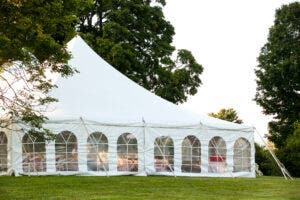
By owning a large-scale commercial structure, a university can design and host beautiful outdoor ceremonies right on its historic lawns or quadangles. These heavy-duty structures provide excellent protection against harsh sun and sudden rainstorms, ensuring that families remain comfortable during long programs.

Furthermore, owning your gear removes the stress of dealing with external rental companies during peak graduation seasons when regional inventories are low and delivery fees spike.

Instead of dealing with third-party delivery delays, campus facility teams can erect their own high-peak structures exactly when needed. This allows for smooth rehearsals and professional setups without any rush.

2. Expanding Academic Space with Outdoor Classrooms

The demand for flexible learning spaces has drastically increased over the last few years. Educators realize that sitting in a traditional windowless lecture hall for hours can hurt student engagement and focus.

Modern institutions are focused on creating flexible environments that blend natural surroundings with high-tech tools. Setting up a dedicated outdoor classroom tent allows universities to expand their instructional footprints without breaking ground on new buildings.

These outdoor learning centers do more than just offer a change of scenery; they provide highly functional spaces for a variety of academic disciplines:

  • Environmental and Biological Sciences: Students can study soil, botany, or ecological systems right outside, using the tent as a shaded field lab to analyze samples immediately.

  • Architecture and Design Studios: Large frame structures offer open, pillar-free space that is ideal for building scale models, setting up drafting tables, or critiquing collaborative art pieces.

  • Collaborative Seminars: Getting out of the standard classroom dynamic breaks down barriers, sparking livelier discussions and stronger team interactions.

When outfitted with proper event rentals like heavy-duty flooring, portable power stations, and weather-resistant furniture, an outdoor tent turns into a modern, functional lecture space. It gives students a comfortable, fresh-air environment that keeps them focused and engaged during class.

3. Enhancing Student Life, Orientation, and Campus Engagement

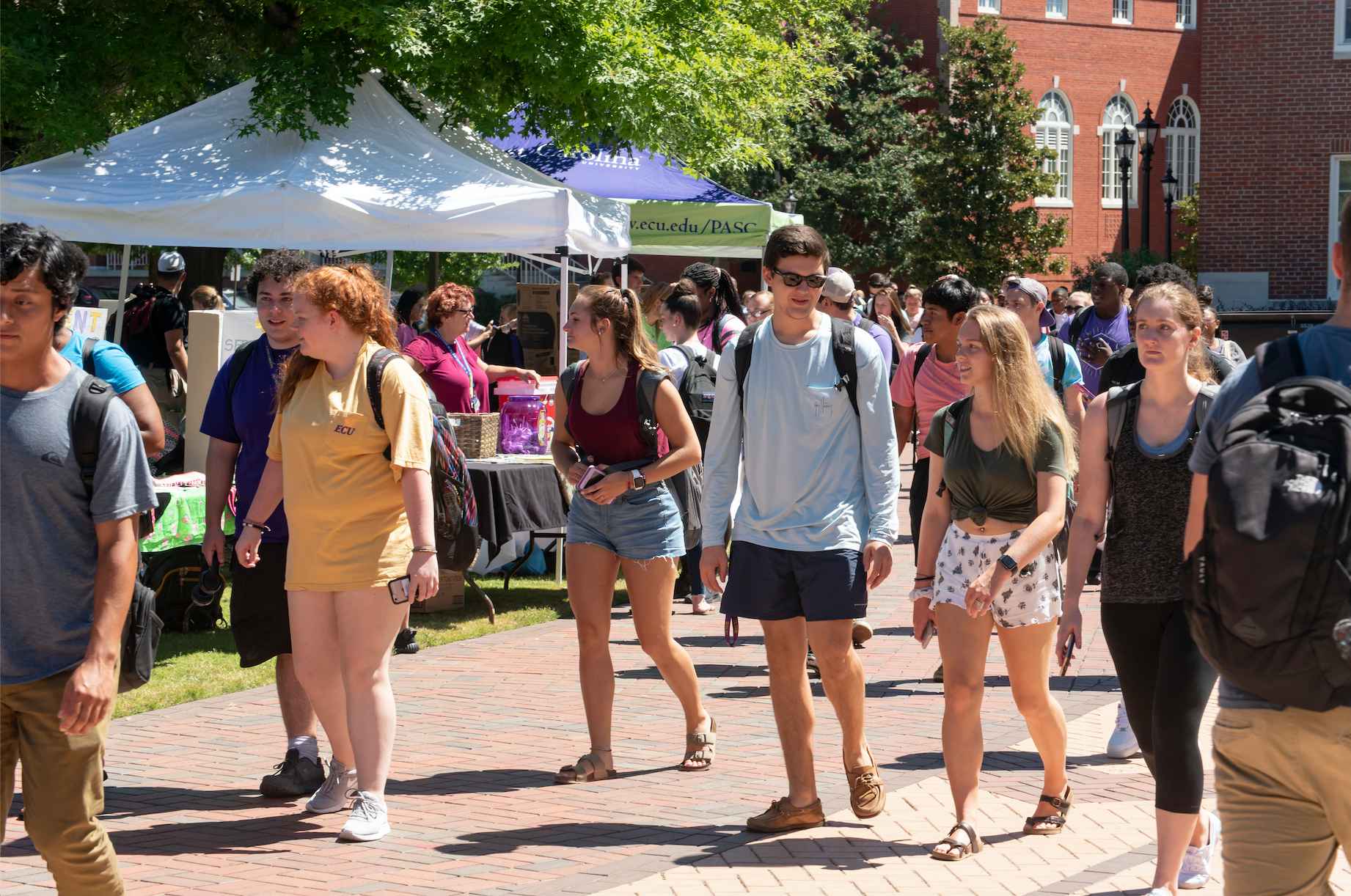
The overall student experience is a huge factor in driving enrollment and keeping retention rates high. The first few weeks of the academic year—packed with freshman orientations, club recruitment fairs, and Greek life events—set the tone for the entire semester.

Having a large, reliable central hub on the campus green makes these crucial engagement events run much more smoothly.

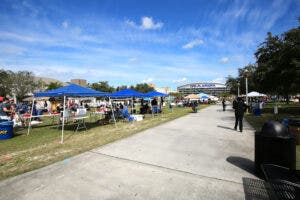
During student involvement fairs, a long row of durable party tents keeps student clubs, expensive audio setups, and promotional materials safe from sudden downpours.

As the seasons change, these structures easily pivot to host campus-wide events like autumn job fairs, outdoor spring concerts, and student government debates.

Instead of crowding student centers or overloading dining halls, campus planners can build an open, inviting outdoor space that naturally brings the campus community together.

4. Elevating Alumni Relations, Fundraising, and Game-Day Tailgating

Athletics and alumni networking are crucial for driving institutional fundraising and building long-term donor relationships. Game-day tailgating at American universities is a massive tradition, and VIP experiences require high-end amenities.

A school can significantly upgrade its athletic hospitality by setting up premium home-game pavilions right next to the stadium or arena.

These upscale event spaces allow university advancement teams to host high-value donors, celebrate homecoming weekends, and run pre-game auctions in style.

Instead of putting up flimsy, cheap pop-up canopies that look unprofessional and blow away in high winds, utilizing commercial-grade shelters showing architectural stability builds immediate trust.

Adding elegant window sidewalls and professional tables and chairs transforms a basic lawn space into a premium corporate box experience. This premium setup helps universities secure vital athletic donations and strengthens alumni loyalty for years to come.

5. Financial Intelligence: Eliminating Recurring Rental Expenses

From a pure financial standpoint, renting event equipment year after year is an inefficient use of a university’s capital. Institutions regularly spend tens of thousands of dollars annually renting shelters for commencement, move-in weeks, festivals, and sporting events.

These recurring costs add up quickly without ever providing the school with a tangible asset.

Choosing asset ownership completely changes this equation. When procurement departments invest in a commercial-grade canopy fleet, the asset typically pays for itself within just a few deployment cycles.

To see exactly how quickly this transition delivers returns, financial planners can use a professional ROI calculator to analyze their annual rental costs against the price of buying direct.

Transitioning from a continuous rental cycle to permanent asset ownership saves institutions thousands of dollars over the lifespan of the equipment. Those recovered funds can then be directed right back into core academic programs and student services.

6. Emergency Operations, Health Screenings, and Adaptability

If the past few years have taught facility managers anything, it is the absolute necessity of rapid deployment systems. When unforeseen situations disrupt normal campus operations, universities must react instantly to protect their populations.

Commercial structures serve as vital emergency infrastructure that can be set up quickly to handle unexpected needs:

  • Rapid-Response Medical Stations: Tents can be set up immediately as outdoor triage units, vaccination clinics, or student health screening points during public health emergencies.

  • Disaster Command Centers: In the event of building damage, fires, or natural disasters, these durable shelters function as command hubs for first responders and campus safety teams.

  • Temporary Dining Infrastructure: If a dining hall experiences a kitchen fire or requires emergency renovations, an engineered structure can house temporary food prep stations and seating areas.

  • Interim Storage Options: These structures offer safe, weatherproof covered spaces to protect campus equipment, building supplies, or student belongings during major building overhauls.

Having a commercial asset ready in your warehouse gives your emergency response teams a huge advantage. It provides immediate, dependable shelter right when things get chaotic, keeping your campus safe and organized.

Choosing the Right Structural Engineering for Higher Education

When purchasing an asset for a university, safety and longevity are non-negotiable. Educational properties require heavy-duty structures that meet strict municipal fire codes and withstand severe weather.

Understanding the structural differences between configurations ensures your campus selects the ideal system for its needs.

Comparing Core Commercial Frameworks

For a comprehensive breakdown of engineering layouts, review the pole tent vs frame tent quick guide. This guide helps facility directors match their campus layout with the best structural design.

If your primary goal is hosting large ceremonies on sprawling historical lawns, an elegant pole system is an excellent choice.

However, if you need to set up structures over paved courtyards, concrete plazas, or parking lots adjacent to stadiums, learning how to set up a party tent on concrete using professional weight anchoring systems is essential for a safe, reliable installation.

Essential Safety Protocols and Weather Readiness

Operating a large public space brings significant liability. Campus safety officers must ensure that all temporary structures are properly anchored and fully prepared for changing weather conditions.

Sudden wind shifts, severe summer thunderstorms, and unexpected drops in temperature require proactive preparation to keep occupants safe.

Key Operational Safety Checklists

  1. Anchoring Verification: Always ensure your team uses heavy-duty, commercial-grade tie-down straps and steel stakes driven to proper depth based on soil density.

  2. Weather Contingency Operations: Read the guide on how to plan for weather changes at outdoor parties to build clear evacuation rules for high-wind storms.

  3. Climate Regulation: When temperature drops hit during late-fall events or winter commencements, installing safe, dedicated heating units is necessary. Always consult the party tent heater safety guide to enforce proper ventilation clearances and prevent fire hazards.

  4. Fabric Integrity Inspections: Regularly check vinyl panels for wear, and follow standard maintenance protocols to keep your equipment clean and safe for long-term use.

Why Institutional Buyers Trust TentandTable

Higher education procurement departments need supply partners who understand the demands of institutional use. For over 25 years, TentandTable has manufactured top-tier commercial equipment engineered for heavy use.

From our headquarters in Buffalo, NY, we design commercial shelters built with heavy-duty PVC vinyl and structural-grade aluminum frames. We ensure our products handle constant setups and teardowns far better than cheap consumer-grade options.

We support B2B clients across the country with fast nationwide shipping and expert customer service. Whether your facility team needs advice on choosing structural parts or requires custom layout dimensions, our team delivers reliable guidance every step of the way.

Beyond structural shelters, our product catalog includes everything needed for a complete event setup, including heavy-duty inflatables, sturdy event furniture, staging, and structural accessories.

Working with a single, dependable commercial manufacturer simplifies your purchasing process, guarantees consistent quality, and ensures your campus events run smoothly year after year.

FAQs

How do we ensure our commercial tents meet local fire codes and university safety regulations?

All commercial structural products manufactured by TentandTable use high-quality, flame-resistant PVC vinyl that meets or exceeds strict national fire safety standards, including the NFPA 701 flame propagation performance criteria.

We provide official fire certificate documentation with our products. This makes it easy for your campus compliance officers and local fire marshals to review and approve setups quickly.

Can our university facility team install these large commercial structures on our own?

Yes. Many university maintenance and facility crews easily handle setups on their own. Smaller frame structures can be assembled by a crew of two to three workers in under an hour.

Larger systems require more crew members and proper safety gear. TentandTable provides clear engineering manuals and step-by-step setup guides to help your staff learn safe, efficient installation techniques.

How do we secure structures on concrete plazas where stakes cannot be driven into the ground?

Frame structures are perfect for hard surfaces because they do not rely on guy ropes for structural stability. Instead of stakes, your team can secure the frame using heavy concrete ballast weights or specialized vinyl sandbags attached to the base plates.

Following these professional weighting guidelines ensures your structure stays safe, stable, and completely secure without damaging your campus walkways or courtyards.

What is the expected lifespan of a commercial-grade tent under regular university use?

Unlike thin consumer canopies that tear after a few uses, heavy-duty commercial structures are built to last for years when properly maintained. The structural aluminum frames resist rust, and the heavy PVC vinyl tops feature reinforced heat-sealed seams.

With basic care—like washing off dirt and letting the fabric dry completely before storage—your university can expect its investment to deliver reliable service for years.

Does TentandTable accommodate institutional purchase orders and volume commercial sales?

Yes. Our dedicated B2B sales division regularly works with universities, municipal school districts, government entities, and corporate organizations.

We accept institutional purchase orders, offer customized volume freight options, and provide tailored product packages to fit your university's specific budget and spatial needs.

Conclusion

Investing in a commercial tent asset is a smart, forward-thinking move for any modern university. It eliminates high, recurring rental fees, expands your usable campus space, upgrades student events, and gives you a reliable backup hub for emergencies.

Owning your infrastructure gives your university full control over its scheduling and event planning. It ensures your campus is always prepared to host beautiful, safe, and professional gatherings, no matter the weather.

Are you ready to stop throwing money away on endless rentals and upgrade your campus infrastructure with an asset built to last? Contact our TentandTable team today to discover the perfect commercial shelter system for your institution's needs!


Previous Concrete Curing Blankets: Where to Buy & How-to Use
Next Where to Buy a Tarp for Your Event and Party Rental Business
Leave a Reply
Obaid Yousaf
Sep 08, 2021 04:47
This is a very useful article, thankyou for sharing this with us.
tenttable
Oct 25, 2021 08:15
Happy you found it useful. Thanks for reading!