


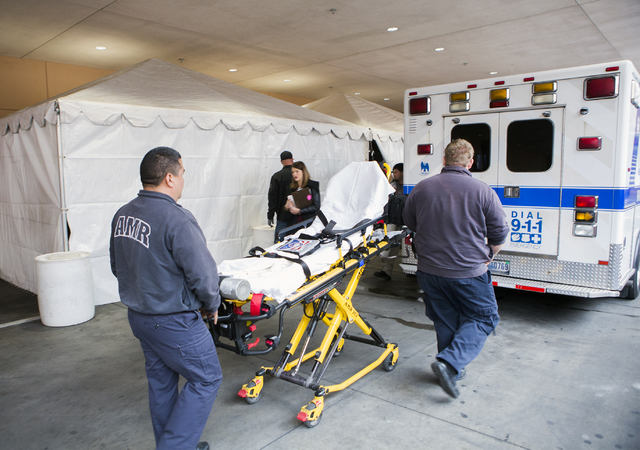
When severe weather strikes, power grids fail, or sudden natural disasters disrupt communities, normal routines vanish in an instant. In these urgent moments, having access to fast, reliable, and adaptable shelter is not just convenient—it can save lives. Most people view canopy tents as event staples reserved for backyard barbecues, summer weddings, graduation parties, and community festivals. However, when an unexpected crisis unfolds, these versatile structures transform into mission-critical assets.
Whether you run an event rental company, manage municipal operations, organize community relief efforts, or oversee facility safety, knowing how to repurpose your equipment can make a massive difference. High-grade structures provide quick protection from harsh winds, intense sunlight, torrential rain, and extreme cold. Because they assemble rapidly on virtually any surface, they bridge the crucial gap between the onset of an emergency and the arrival of permanent infrastructure.
For more than 25 years, TentandTable—headquartered in Buffalo, New York—has supplied durable, brand-new, commercial-grade equipment built for the most demanding environments. Backed by fast nationwide shipping and expert customer support, these heavy-duty products do far more than support celebrations. They provide dependable shelter when communities need it most.
Here is an in-depth look at 10 practical ways to deploy your canopy tent during an emergency, along with actionable insights on safety, durability, and operational planning.
Why Commercial-Grade Canopy Tents Are Vital for Disaster Preparedness
Not all tents are created equal, especially when facing high winds, torrential downpours, or extreme temperatures. Lightweight recreational canopies bought at big-box retail stores often fold or tear under moderate pressure. In contrast, heavy-duty commercial canopies engineered with premium 16-ounce blockout PVC vinyl, heat-sealed seams, and anodized aluminum or galvanized steel frames are built specifically to withstand punishing outdoor conditions.
Investing in high-grade equipment provides peace of mind across several key areas:
-
Structural Integrity and Weather Resistance: Commercial tent tops resist water, resist tearing, and feature flame-retardant certifications that meet strict local fire codes. When paired with heavy-duty ratchet straps and secure anchoring systems, they remain stable in unpredictable weather.
-
Rapid Deployment: When minutes matter, a modular commercial canopy or a sturdy frame tent can be erected quickly by a small crew without requiring heavy construction equipment.
-
Hygiene and Cleanliness: Commercial PVC vinyl is non-porous and easy to sanitize with standard disinfectant solutions, making it an ideal choice for healthcare and food preparation environments.
-
Long-Term Durability: These structures can remain standing for weeks or even months during prolonged recovery efforts without degrading under continuous ultraviolet exposure.
Understanding how to leverage these rugged structures during times of crisis helps organizers, emergency responders, and rental operators protect people and property effectively.
10 Critical Uses for Canopy Tents During Emergency Situations
1. Emergency Medical Triage and First Aid Stations
In the immediate aftermath of a hurricane, tornado, flood, or mass-casualty incident, local hospitals and emergency rooms can become overwhelmed almost immediately. Setting up dedicated medical triage tents directly outside hospital facilities or near disaster zones creates immediate space to assess and treat incoming patients.
According to disaster response protocols established by the American Red Cross, establishing clear triage sectors allows medical teams to sort patients by severity of injury before they enter crowded hospital corridors. A 20x20 or 20x40 commercial frame tent provides an open layout free of interior center poles, leaving ample space for cots, medical equipment, and mobile triage stations.
By adding solid vinyl tent sidewalls, response teams can protect vulnerable patients from the elements while providing essential privacy. Furthermore, because commercial vinyl is simple to wipe down and sterilize, medical staff can maintain critical sanitary standards throughout high-volume emergency operations.
2. Food, Clean Water, and Essential Supply Distribution Hubs
When supply chains break and neighborhood grocery stores lose power, securing clean water and nutritious food becomes the top priority for affected residents. A canopy tent acts as an organized, visible relief distribution point where relief workers can hand out bottled water, non-perishable meals, hygiene kits, baby formula, and blankets.
Using sturdy folding tables arranged under a canopy creates efficient walk-up or drive-through distribution lines. This layout keeps sensitive paper goods, dry food supplies, and medications off wet ground and sheltered from sun or rain.
The clear visibility of a commercial canopy also serves as a beacon of hope. When residents see a professional, securely anchored shelter in a park, church parking lot, or municipal center, they immediately recognize it as a trusted site for community support.
3. Temporary Drive-Through Health Screening and Testing Sites
Public health emergencies and environmental contamination events often call for large-scale, contactless screening of community members. Frame tents and high-clearance canopies are ideal for creating drive-through lanes that keep staff protected while managing steady traffic flow.
During disease outbreaks, seasonal health surges, or local water contamination events, drive-through canopies allow healthcare workers to collect samples, administer vaccines, or distribute testing supplies directly to drivers through car windows. Guidelines provided by the Centers for Disease Control and Prevention (CDC) highlight that outdoor drive-through systems dramatically cut indoor transmission risks while speeding up processing times.
Setting up clear signage, safety cones, and open-ended canopies keeps vehicles moving smoothly, prevents dangerous bottlenecks on neighborhood streets, and shields medical personnel from harsh sun and rain during long operational shifts.
4. Temporary Emergency Shelter and Overflow Housing
When wildfires or floods force families from their homes, local emergency shelters frequently hit full capacity within hours. While permanent structures like community centers and gymnasiums serve as primary shelters, outdoor canopies provide crucial overflow capacity, reception screening areas, and transitional resting areas.
Using dedicated FEMA relief tents equipped with blockout sidewalls gives displaced families a secure, dry place to rest while waiting for permanent temporary housing assignments.
In warmer climates, commercial vinyl blocks direct radiant heat, keeping interior spaces noticeably cooler than direct outdoor exposure. In colder weather, pairing enclosed canopies with commercial-grade, tent-safe heaters creates safe, warm, and climate-controlled refuges for vulnerable residents who have lost power or heat at home.
5. On-Site Incident Command Posts (ICP)
Effective emergency operations depend on clear communication, coordination, and rapid decision-making. First responders, search-and-rescue teams, and municipal leaders require a central gathering point to manage field operations, review tactical maps, and coordinate resource deployments.
An outdoor canopy tent serves as an immediate, on-site Incident Command Post (ICP). Located just outside the danger zone, an ICP provides a dry, shaded headquarters where commanders can lay out incident maps, deploy radios, and monitor weather radar screens.
Adding durable plastic folding chairs and heavy-duty utility tables under the tent gives coordinators an organized command center to brief volunteers, direct emergency vehicles, and hold regular operational status meetings.
6. Critical Equipment, Generator, and Relief Staging Depots
Emergency response relies heavily on mechanical equipment, electronic gear, and fuel. Chainsaws, water pumps, gas-powered generators, lighting kits, and medical tools must stay dry and operational, especially when storms bring continuous rain or heavy snowfall.
Setting up a rugged utility canopy over equipment staging areas prevents moisture damage and keeps costly tools ready for deployment. Response teams can also use heavy-duty tarps alongside tent structures to build weather-resistant perimeters for sensitive electronics and communication batteries.
Organizing equipment under a secure shelter also streamlines inventory tracking. When search-and-rescue volunteers return from operations, they can quickly drop off, inspect, refuel, and service tools in an orderly environment before heading back out into the field.
7. Family Reunification, Registration, and Missing Persons Centers
Disasters often separate family members, damage cellular networks, and disrupt local communication channels. In the chaotic hours following an emergency, creating a safe, recognizable space where families can reconnect, register as safe, and seek assistance is paramount.
Canopy tents placed at central evacuation locations create designated Family Reunification and Information Hubs. Case managers, social workers, and volunteer counselors can use these tents to:
-
Maintain paper-based and digital check-in registries for evacuees.
-
Help displaced residents contact loved ones outside the disaster zone.
-
Coordinate special care for unaccompanied minors and seniors.
-
Provide private, quiet spaces for families receiving updates or grief support.
Using windowed sidewalls on a sturdy frame tent allows natural light to enter the space while shielding families from outside noise and weather. This thoughtful setup brings a measure of privacy and calm during deeply stressful situations.
8. Decontamination and Field Hygiene Stations
Hazardous materials spills, floodwater contamination, industrial accidents, and biological hazards require strict decontamination protocols before responders or civilians can enter safe zones. Floodwaters, in particular, frequently carry raw sewage, agricultural chemicals, and toxic runoff that pose serious health risks.
Canopy tents make excellent field decontamination and wash stations. Positioned along the perimeter of the hot zone, these shelters house portable shower units, boot-washing stations, and gear-scrubbing basins.
Because commercial vinyl resists oil, chemicals, and water, response teams can set up washdown zones without worrying about damaging tent materials. Pairing canopies with heavy containment berms ensures runoff water is captured safely for proper disposal, protecting surrounding groundwater from further contamination.
9. Mobile Community Kitchens and Meal Staging Areas
Restoring hot meal service after a disaster does wonders for community morale and provides essential nutrition to weary volunteers and displaced residents. Relief organizations like the Salvation Army and World Central Kitchen often deploy mobile cooking units to disaster areas, but they require covered, sanitary spaces to prepare and serve food.
A large commercial canopy tent serves as an outdoor kitchen, dry ingredient pantry, and meal packaging line. It keeps food preparation surfaces sheltered from falling leaves, rain, dust, and insects.
Equipping the food line with easy-to-clean commercial banquet tables allows staff to assemble thousands of hot meals daily in a clean, compliant workflow. With sidewalls attached, cooking teams can shield their burners from wind gusts, keeping food temperatures within safe food-handling ranges.
10. Charging Stations, Communications Lounges, and Respite Areas
Prolonged power outages quickly leave residents cut off from news, weather updates, and emergency alerts. Once immediate survival needs are met, people desperately search for electricity to charge mobile phones, medical monitors, and portable radios.
An emergency canopy can be transformed into a community charging station powered by a quiet inverter generator. Stringing power strips along sturdy folding tables lets dozens of residents recharge vital communication devices at once.
This space also functions as a vital respite lounge for front-line rescue workers. Working twelve-hour shifts in full gear causes physical exhaustion and heat stress. A shaded canopy equipped with misting fans, fresh water, and comfortable seating gives responders a place to rest, rehydrate, and recover before returning to their life-saving work.
Technical Comparison: Selecting the Right Tent for Emergency Deployment
Choosing the right tent style ensures that your shelter performs safely during a crisis. Different emergency situations call for different structural characteristics:
-
Commercial Pop-Up Canopies (e.g., 10x10, 10x20): These are best suited for rapid, short-term deployment, such as quick curbside check-in points, temperature screening, and mobile first aid stations. They set up in minutes with two people and transport easily in standard response vehicles.
-
West Coast Frame Tents: These are ideal for long-term emergency housing, triage wards, command posts, and drive-through lanes. Built with rigid aluminum tubing and durable steel fittings, they require no center poles, leaving 100% of the interior floor plan open for cots, tables, and vehicles. They can also be installed on asphalt parking lots using heavy water barrels or concrete ballast weights when staking into soil is impossible.
-
Traditional Pole Tents: These are well-suited for large-scale supply depots, community dining halls, and expansive overflow shelters on grass fields or park lawns. While they require driving ground stakes and feature interior center poles, they cover massive square footage cost-effectively.
For teams looking to invest in new shelter assets, exploring commercial party tents designed for rapid setup and sustained weather protection provides the greatest long-term versatility.
Essential Safety Protocols for Emergency Canopy Deployments
Operating tents in disaster zones requires strict adherence to safety standards. Emergency conditions frequently involve high winds, unstable soil, and debris. Following reliable safety guidelines—such as structural recommendations from the Federal Emergency Management Agency (FEMA) and work-safety guidelines from OSHA—is essential to protect occupants.
Proper Ballasting and Anchoring
Improper anchoring is the leading cause of tent failure during bad weather. In disaster zones, you cannot simply rely on lightweight ground pegs:
-
Earth and Turf Installations: Always use heavy-duty steel tent stakes driven deep into the ground at an angle away from the tent leg, secured with commercial-grade ratchet straps.
-
Asphalt and Concrete Surfaces: When installing shelters in commercial parking lots, use concrete blocks, sandbags, or certified water-weight containers engineered for commercial tent ballasting. Always follow the manufacturer's anchoring charts based on expected wind loads.
-
Regular Inspections: Send a team member to inspect ratchet straps, stake tension, and frame fittings every four to six hours during active storms, as shifting soil and heavy winds can loosen tension over time.
Airflow and Climate Management
Enclosed tents need proper airflow to prevent heat buildup in the summer and moisture condensation in the winter:
-
Summer Heat Mitigation: Roll up side panels on opposite sides of the structure to create natural cross-ventilation. For enclosed medical or screening tents, install commercial evaporative coolers or portable air conditioning units to protect occupants from heat exhaustion.
-
Winter Heating Safety: If using heaters to warm emergency shelters, deploy only indirect-fired or approved tent-safe heaters placed outside the tent, ducting warm air inside. Never place open-flame propane heaters inside an enclosed tent, as carbon monoxide accumulation poses a fatal risk.
Maximizing Fleet Value: The Dual-Use Advantage for Rental Businesses
For party rental companies and event professionals, stocking durable commercial canopies is not just a seasonal wedding and festival strategy—it is a smart way to diversify your business. Emergencies and severe weather events occur year-round, frequently during an event company's slower off-peak months.
Municipalities, hospital networks, non-profit relief groups, and construction companies frequently search for immediate shelter rentals when crisis strikes. Having commercial inventory ready for rapid deployment positions your business as an essential community partner capable of landing lucrative municipal and disaster-relief contracts.
Whether your fleet includes high-peak party canopies, commercial inflatables, or licensed interactive attractions like a Tetris™ obstacle course for family entertainment centers, tracking equipment utilization is vital. Understanding your costs, turnaround timelines, and rental revenue helps you make smarter inventory purchases.
Try our ROI calculator to evaluate your inventory costs, forecast rental yields, and discover how dual-purpose commercial gear drives sustainable year-round profitability.
Cleaning, Sanitation, and Storage After Emergency Deployment
Tents deployed in disaster relief environments face far more wear and tear than those used for weekend parties. Flood silt, mud, exhaust fumes, and medical disinfectants can leave residue on commercial vinyl and aluminum hardware.
To maintain equipment life and protect future users, follow these cleanup steps once the emergency concludes:
-
Thorough Washing: Lay tent tops and sidewalls flat on a clean drop cloth. Scrub both sides with warm water and a mild, vinyl-safe cleaner or diluted dish soap. Avoid harsh bleach mixtures or abrasive pads, which can strip the protective UV and flame-retardant coatings.
-
Disinfection: For tents used in medical triage, hygiene, or dining settings, apply an EPA-registered hospital disinfectant according to label dwell-time instructions, followed by a thorough clean-water rinse.
-
Complete Drying: Never fold and pack away vinyl fabric while damp. Trapped water causes mildew, mold spots, and sour odors that permanently damage vinyl fabric. Ensure tent tops are 100% dry before rolling and placing them into protective vinyl storage bags.
-
Hardware Inspection: Inspect aluminum tubing, steel corner fittings, and ratchet straps for bends, cracks, or rust. Replace damaged parts promptly to ensure the tent remains safe and certified for its next deployment.
Frequently Asked Questions (FAQ)
Can regular party tents be used safely as emergency shelters?
Yes, provided they are commercial-grade tents made with heavy-duty PVC vinyl and rugged aluminum or steel frames. Commercial structures are engineered to meet strict fire retardancy standards and handle sustained outdoor exposure far better than lightweight recreational canopies. When properly anchored with professional ratchet straps and ballast weights, commercial party tents serve as dependable emergency shelters.
How do you secure a canopy tent on asphalt or concrete during an emergency?
When stakes cannot be driven into the ground, commercial canopies must be secured using certified ballast systems. Common solutions include heavy concrete blocks, steel weight plates, or purpose-built 55-gallon water barrels attached to the tent uprights with heavy-duty ratchet straps. Always calculate ballast weights based on the tent's square footage and local wind ratings to prevent uplift.
How quickly can a commercial canopy tent be assembled during a crisis?
Assembly times depend on tent style and crew size. A heavy-duty 10x10 or 10x20 commercial pop-up canopy can be erected by two people in under ten minutes. Larger modular frame tents (such as 20x20 or 20x40 sizes) typically take a trained three-person crew between 45 and 90 minutes to fully assemble, square, and ballast.
Are commercial canopy tents waterproof and fire-resistant?
Commercial-grade canopies built by reputable manufacturers feature 100% waterproof PVC vinyl tops with heat-welded seams that prevent water penetration. In addition, quality commercial vinyl is treated with flame-retardant chemicals and certified to meet NFPA 701 fire safety standards, making them legal and safe for municipal, commercial, and emergency use.
Where can organizations purchase reliable emergency-ready canopies with quick turnaround?
Organizations, municipalities, and rental operators can source commercial equipment directly from specialized manufacturers. Working with an established supplier that stocks ready-to-ship inventory and maintains comprehensive replacement parts ensures you receive your gear without long factory delays when emergencies arise.
Final Thoughts: Is Your Community Prepared for the Unexpected?
Emergencies rarely give advance warning, but your response can be planned and organized. While we all hope to use canopy tents for joyful gatherings, milestones, and outdoor celebrations, their true strength lies in their ability to shelter, protect, and support people when unexpected crises hit. From serving as triage clinics and clean-water hubs to functioning as command posts and family reunification lounges, commercial canopies are among the most versatile tools you can own.
Investing in commercial-grade equipment backed by proven engineering guarantees you have dependable shelter ready for whatever tomorrow brings. For more than a quarter-century, TentandTable has equipped rental businesses, government bodies, non-profits, and event organizers across the United States with durable, long-lasting gear and prompt nationwide delivery.
If you are planning to upgrade your relief inventory, build out your municipal response resources, or expand your rental fleet with dependable structures, Contact our TentandTable team today to speak with a commercial equipment specialist who can match the right shelter to your needs.
When a sudden disaster strikes your community, will your equipment be ready to answer the call?